3 Thai Herbs to Combat Diabetes: A Natural Approach
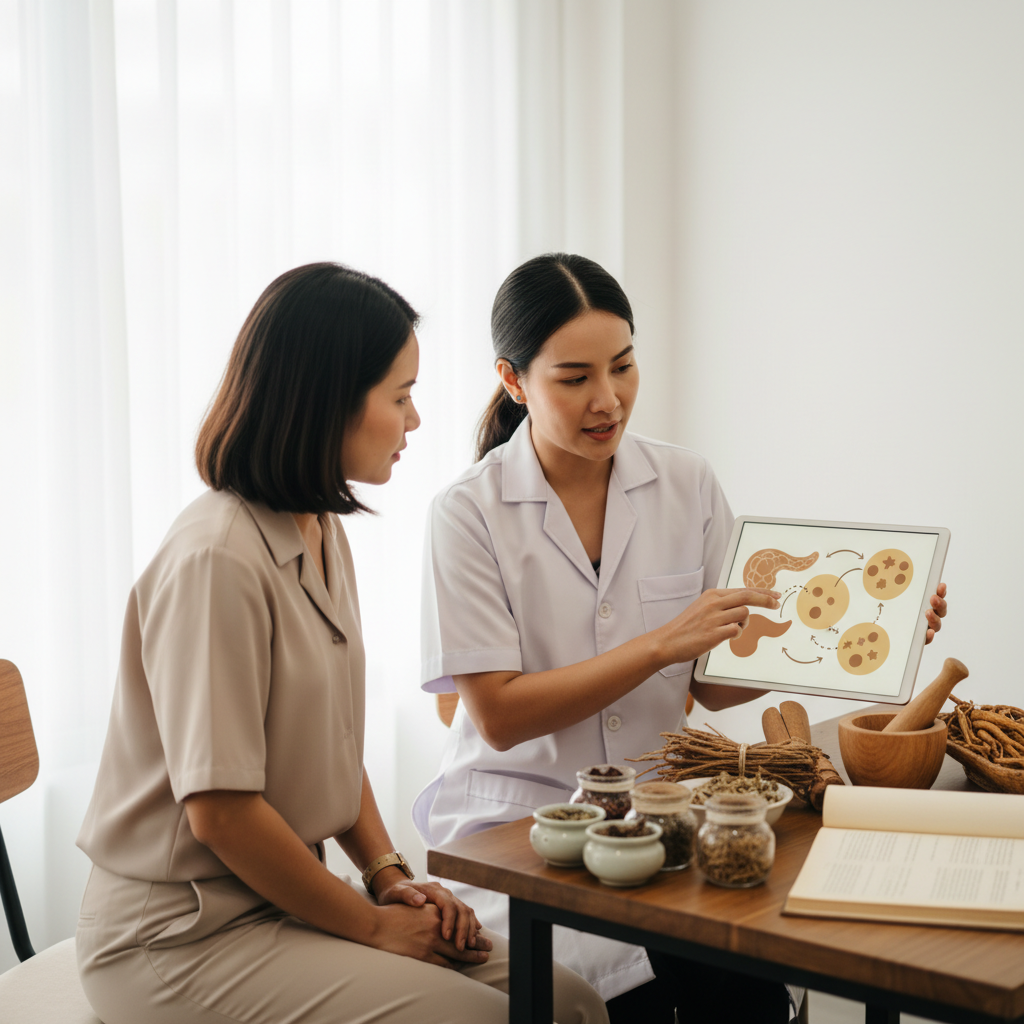
Discover 3 potent Thai herbs – Bitter Melon, Ivy Gourd, and Gymnema – that show promise in managing blood sugar levels.
Diabetes is a chronic condition characterized by elevated blood sugar levels. While conventional treatments are essential, traditional medicine offers natural allies. This article explores three potent Thai herbs – Bitter Melon, Ivy Gourd, and Gymnema – recognized for their potential to help manage blood sugar and support overall well-being.
Understanding Diabetes: More Than Just High Sugar
Diabetes, often referred to in Thai as "เบาหวาน", is a chronic condition characterized by elevated blood sugar (glucose) levels. This occurs when the body either doesn't produce enough insulin or can't effectively use the insulin it produces. Insulin, a hormone created by the pancreas, is crucial for moving glucose from the bloodstream into cells for energy.
There are two primary types of diabetes:
-
Type 1 Diabetes: An autoimmune condition where the body's immune system mistakenly attacks and destroys the insulin-producing cells in the pancreas. This results in very little or no insulin production, requiring individuals to take insulin injections to manage their blood sugar.
-
Type 2 Diabetes: The most common form, where the body becomes resistant to insulin's effects or doesn't produce enough to maintain normal blood glucose levels. Factors contributing to Type 2 diabetes include genetics, obesity, lack of physical activity, and age.
Common symptoms of "เบาหวาน" can include increased thirst and urination, frequent hunger, fatigue, blurred vision, slow-healing sores, and tingling or numbness in the extremities. If left unmanaged, persistently high blood sugar can lead to serious long-term complications, impacting various organs and systems. This includes damage to blood vessels, which can contribute to heart disease, stroke, kidney failure, and nerve damage (neuropathy). Vision problems, such as diabetic retinopathy, can also arise, potentially leading to blindness.
Early detection and proactive management are key to controlling diabetes and preventing its severe consequences. This involves a multifaceted approach, including dietary adjustments, regular physical activity, and consistent medical support.
Bitter Melon (Momordica charantia): Nature's Blood Sugar Regulator
Bitter melon, known scientifically as Momordica charantia, is a unique tropical vine that produces a distinctively bumpy, elongated fruit. This versatile plant is cultivated widely and its fruits are a common sight in many cuisines, particularly in Asia, where they are prepared in numerous dishes. Despite its strong, bitter taste, it's often enjoyed blanched as a side vegetable or incorporated into stir-fries and soups, with methods like blanching and draining water used to temper its bitterness.
Traditional Wisdom Meets Modern Science
For centuries, bitter melon has been a cornerstone in traditional medicine for managing blood sugar levels. This ancestral knowledge is increasingly supported by scientific research. Studies highlight the presence of several active compounds within the fruit, notably charantin and polypeptide-p (also known as p-insulin). These compounds are believed to work synergistically to lower blood glucose. Charantin, a steroidal saponin, and polypeptide-p are thought to mimic insulin's action, enhance glucose uptake by tissues, and possibly inhibit glucose production in the liver.
Incorporating Bitter Melon into Your Diet
While the raw taste can be intense, there are several ways to incorporate bitter melon into your routine:
-
Culinary Uses: Blanching and serving with dips, adding to stir-fries, or using in soups are popular methods.
-
Teas and Juices: Bitter melon can be dried and steeped into a tea, or fresh fruit can be juiced, though the flavor remains potent.
-
Supplements: For those who find the taste challenging, bitter melon is available in capsule or tablet form.
Important Considerations
While bitter melon shows promise, it's essential to approach its use with care. Individuals with very low blood sugar should exercise caution. Due to its potential blood-sugar-lowering effects, it's advisable to consult with a healthcare provider before starting regular use, especially if you are already on diabetes medication, to prevent hypoglycemia. While not a direct treatment for complications like "เบาหวาน ขึ้น ตา" (diabetic retinopathy), managing blood sugar levels effectively is crucial in preventing or slowing the progression of such conditions.
Ivy Gourd (Coccinia grandis): A Versatile Leaf for Health
Ivy gourd, known locally as "Phak Tum Lueng" (ผักตำลึง), is a common leafy green vegetable often found growing wild or cultivated in home gardens across Thailand. Its tender leaves and young shoots are frequently incorporated into a variety of traditional dishes, from flavorful soups and stir-fries to being served as a fresh accompaniment to spicy dips. Beyond its culinary appeal, ivy gourd has a long history of use in traditional medicine, particularly for its purported ability to help manage blood sugar levels.
Scientific research has begun to explore these traditional claims. Studies suggest that ivy gourd may possess properties that assist in regulating blood glucose. This aligns with the understanding of managing "โรค เบาหวาน" (diabetes), a condition characterized by elevated blood sugar due to issues with insulin production or function. Some of the common symptoms associated with "อาการ เบาหวาน" (diabetes symptoms) include increased thirst, frequent urination, and fatigue, and managing these through diet is a key aspect of traditional and modern approaches.
The nutritional profile of ivy gourd also contributes to its health benefits. It is a good source of vitamins, particularly Vitamin A, and minerals, making it a valuable addition to a balanced diet. Its widespread availability and ease of preparation mean it can be readily integrated into daily meals. Whether enjoyed steamed, in soups, or stir-fried, incorporating ivy gourd can be a natural and beneficial way to support overall well-being, including contributing to the dietary management of conditions like diabetes.
Gymnema Sylvestre (Gymnema inodorum): The "Sugar Destroyer"
Gymnema Sylvestre, often referred to as the "sugar destroyer" in traditional medicine, is a climbing plant with a long history of use for managing blood sugar levels. Native to tropical forests of India, Africa, and Australia, its leaves have been utilized in Ayurvedic practices for centuries. Modern research has begun to illuminate the scientific underpinnings of its effectiveness, particularly in its remarkable ability to interact with sugar metabolism.
Scientific Insights into Gymnema's Action
Studies suggest that Gymnema Sylvestre can influence glucose levels through several mechanisms. One key area of focus is its potential to inhibit the absorption of sugar in the intestines. Certain compounds within the plant appear to bind with sugar molecules, effectively reducing the amount of sugar that enters the bloodstream after a meal. Furthermore, research indicates that Gymnema may play a role in supporting pancreatic beta cells, which are responsible for insulin production. By potentially enhancing insulin secretion and improving insulin sensitivity, it may help the body utilize glucose more efficiently. This dual action is crucial for managing "อาการ โรค เบาหวาน" and supporting overall glucose control.
Key Active Components and Benefits
The therapeutic potential of Gymnema Sylvestre is largely attributed to its gymnemic acids and other bioactive compounds. These constituents are thought to contribute to its "sugar-destroying" reputation by directly impacting carbohydrate metabolism. For individuals experiencing "อาการ เบาหวาน" or seeking to maintain healthier blood sugar levels, incorporating Gymnema into a holistic management plan could be beneficial. It is particularly noted for its potential to help control post-meal blood sugar spikes and support long-term glucose balance.
While Gymnema can be consumed in various forms, such as teas or supplements, it is always advisable to consult with a qualified practitioner. A Thai Medicine doctor, such as พท.ว. ณรงค์พล คงเจริญ at Ratinai Thai Traditional Medicine Clinic, can provide personalized guidance on integrating Gymnema into your wellness routine alongside other conventional and traditional approaches for managing "โรค เบาหวาน". This ensures it complements your overall health strategy effectively.
Frequently Asked Questions
Can I replace my diabetes medication with these herbs?
Consult your doctor or a qualified herbalist before starting any new herbal regimen, especially if you have existing health conditions or are on medication. It's crucial to ensure safety and avoid interactions.
Are there any side effects or precautions when using these herbs?
These herbs are generally considered safe when used appropriately, but potential side effects or contraindications may exist. Always consult with a healthcare professional for personalized advice.
How should these herbs be consumed?
Yes, these herbs can be consumed in various forms, such as teas, extracts, or added to meals. Specific preparation methods may vary for each herb to maximize benefits.
What are the main benefits of these herbs for diabetes management?
These herbs primarily work by helping to regulate blood sugar levels. Some also offer antioxidant and anti-inflammatory benefits, contributing to overall health and potentially reducing diabetes-related complications.
How effective are these herbs compared to conventional treatments?
While these herbs show promise, they are best used as part of a comprehensive diabetes management plan that includes diet, exercise, and conventional medical treatment. Consult with us at @ratinai.clinic for guidance.
Conclusion
While modern medicine plays a crucial role, incorporating these herbs, guided by expert advice, can be a valuable complementary approach to managing diabetes and improving overall health. Explore a holistic path to wellness with Ratinai Clinic.
Ready to take care of yourself?
Consult a licensed Thai traditional medicine practitioner at Ratinai Clinic, Pathum Thani.