
5 Unexpected Risks if Postpartum Confinement is Skipped
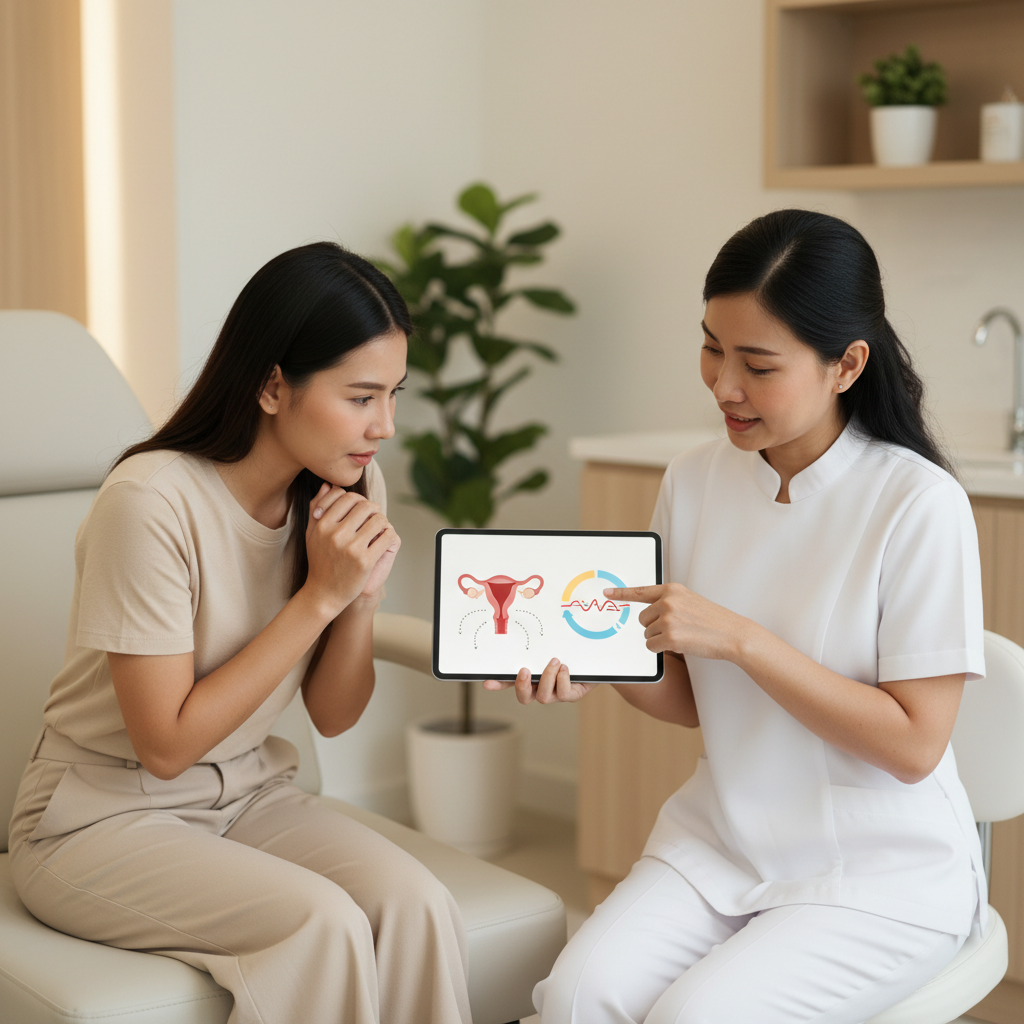
Postpartum confinement, or 'Yu Fai,' is a traditional practice with surprising benefits for new mothers. Skipping it might lead to unexpected health issues.
As a new mother, it's easy to focus solely on your newborn, but self-care during the postpartum period is crucial. Traditional Thai postpartum confinement, known as 'Yu Fai,' is often seen as an old custom. However, it offers profound benefits for recovery. Neglecting this vital period can lead to unexpected health problems that I've seen many times in my clinic.
The Importance of 'Yu Fai' for New Mothers' Health
At our clinic, we see so many new mothers who are simply exhausted after giving birth. They often know about ‘อยู่ไฟหลังคลอด’ (Yu Fai), but many think it’s just an old-fashioned custom. I always tell my patients it’s much more than that. It is a gentle, time-tested way to help your body heal and find its balance again.
In Thai medicine, we believe that the act of childbirth throws your body’s four core elements—earth, water, wind, and fire—out of balance. Think of ‘อยู่ไฟหลังคลอด’ as your body’s reset button. A big part of this process involves using herbal heat therapies and specific massages to help expel the lochia, or what we call ‘น้ำคาวปลา’. Getting this postpartum discharge out is very important. It keeps the uterus clean and helps prevent infection.
One of the most vital goals is achieving ‘มดลูกเข้าอู่’, which means helping the womb return to its pre-pregnancy size and position. We use gentle warmth and techniques like ‘ทับหม้อเกลือ’—a warm salt pot compression—to encourage this process and reduce that puffy, swollen feeling. I had a patient just last month, a new mom who was so happy but her feet were so swollen she could barely walk. She told me, "Doc, it’s been weeks and nothing helps." After just a few sessions of our Yu Fai program, the swelling was finally going down and she could feel the difference. It's important to be clear: this therapy is for postpartum recovery. It's not a treatment for serious conditions like 'มะเร็งปากมดลูก' (cervical cancer), but caring for your uterine health now is a wonderful foundation for long-term well-being.
The warmth also gets your blood circulating properly again. This is key for easing those persistent body aches and muscle stiffness that so many new mothers feel. It's a wonderful way to relax. Have you felt that deep fatigue and soreness that just won’t go away? Our goal is to help you feel refreshed and strong, ready to embrace motherhood with energy. For the best results, I always recommend a full course of 5 to 7 days, ideally done between 7 to 45 days after you’ve given birth.
Chronic Pains and Discomforts You Might Face
At the clinic, we see so many new mothers who skipped the traditional postpartum care we call “อยู่ไฟหลังคลอด”. Months, or even years later, they come to me with aches and pains they can’t explain. It’s truly heartbreaking to see them suffering when they should be enjoying their new family. They feel like they just have to live with it, but that's not true.
Lingering Aches and Pains
Your body has just performed a miracle. But that miracle takes a toll. If you don't give it the right support to heal, that toll can turn into chronic pain. Have you felt a constant ache in your back or hips that just won't go away? You are not alone. So many women experience this.
-
Back, Waist, and Joint Pain: In Thai medicine, we talk about "cold" getting into the body after birth. This isn't about temperature; it's an elemental imbalance that stiffens your joints and makes your muscles ache because circulation is poor. It’s a deep ache that settles in.
-
Headaches: When the "wind" element in your body is out of whack and blood isn't flowing freely, it can trigger terrible, persistent headaches. It's a very common complaint.
-
Fatigue and Insomnia: Proper recovery is the foundation of good sleep. If your body is still struggling to heal, you'll be exhausted but unable to rest deeply. It's a cruel cycle.
I treated a first-time mom just last month. She came to me with sharp pain in her hips that made it hard to even hold her baby. She’d been so busy, she skipped all postpartum care. She told me, "Doctor, I feel like I'm 80 years old." We worked together using treatments like the hot salt pot compress, what we call ทับหม้อเกลือ, to help rebalance her body and warm her core. She found real relief. It makes a world of difference.
The Role of Thai Traditional Medicine
So, how do we help you feel like yourself again? In Thai medicine, we don't just chase the pain. We work to restore balance to your entire body. Our goal is to help you feel strong from the inside out.
We might use Herbal Steaming (อบสมุนไพร) to improve your blood flow and ease that widespread discomfort. For those deep, stubborn knots of pain, a massage like Tok Sen (ตอกเส้นล้านนา) can work wonders by releasing tension along the body's energy lines.
A huge part of our work is making sure your uterus returns to its proper place, a process known as “มดลูกเข้าอู่”. This isn’t just about feeling better now. It’s about your long-term health. When the uterus is healthy and well-positioned, it helps prevent future problems. We believe that caring for your womb properly after birth reduces the risk of developing issues later in life, and contributes to a healthy environment that may lower risks for serious conditions like มะเร็งปากมดลูก (cervical cancer). It’s all connected. Your body deserves that deep healing.
Uterine and Digestive System Challenges
At the clinic, I see so many new mothers who skipped the traditional postpartum confinement, what we call อยู่ไฟหลังคลอด. They come in months, sometimes years later, with health problems that could have been prevented. A big one is when the uterus doesn't shrink back properly after birth. Our goal is for the มดลูกเข้าอู่ — for the uterus to return to its original size and place. When this doesn't happen, it can cause a constant, nagging ache in the pelvis, bleeding that goes on for too long, or even the uterus slipping down, which is very upsetting for a woman.
But it’s not just about the uterus. Your whole digestive system gets moved around and stressed during pregnancy. I always tell my patients that if we don't restore that balance, it often leads to chronic constipation or even painful hemorrhoids. It's a sluggish, heavy feeling. Have you felt that way yourself? Thai medicine is all about bringing the body’s elements back into harmony after a huge event like childbirth.
Another thing I worry about is infection. Your body is more vulnerable while it’s healing. An infection can be painful and lead to serious problems if we don’t address it right away. We can't let that happen.
This is where a wonderful therapy like ทับหม้อเกลือ comes in. It’s a heated salt pot compress we apply to the belly. A patient I treated last year, a young mother of two, swore by it. She said it was the only thing that eased the bloating and made her feel "put back together." She’s right. Research confirms that the warmth from the ทับหม้อเกลือ helps the uterus contract and moves it back into place. We see a significant reduction in uterine size when it's done for 5-7 days. The heat also brings blood flow to the area, which really helps with digestion. Of course, the technique must be done correctly to avoid burns and get the full benefit.
Taking these steps isn't just about feeling better today. It's about preventing long-term discomfort and more serious issues down the road. This whole process is a powerful reminder to prioritize your reproductive health for life. That includes staying on top of regular screenings for issues like มะเร็งปากมดลูก (cervical cancer). Taking care of yourself now truly is a gift to your future self.
Kasai Disease: A Silent Threat to New Mothers
At the clinic, we see so many new mothers who haven't heard of a condition we call Kasai. It’s a common problem. In Thai Traditional Medicine, Kasai isn't one specific illness. Think of it more as a collection of issues that pop up when your body's building blocks—earth, water, wind, and fire—are out of whack after childbirth. It means your body’s internal communication is breaking down after the huge event of bringing a baby into the world.
Recognizing the Subtle Signs
The signs of Kasai can be very quiet at first. I always tell my patients that the weeks after delivery are a time to listen very closely to your body. Have you felt that deep, dragging exhaustion that sleep doesn't seem to fix? Common signs are persistent aches, a pale or yellowish look to your skin, and just feeling unwell. Sometimes, women feel a chronic pain so deep that a normal massage can't reach it. These feel like small things. But they need attention.
Ignoring them can lead to bigger problems later. A healthy uterine environment is so important. When that system is unbalanced for a long time, it can contribute to future issues, from cysts to even, in the long run, increasing risks for serious conditions like "มะเร็งปากมดลูก" (cervical cancer).
I treated a mother just last month, only 30 years old, who didn't properly do her "อยู่ไฟหลังคลอด" care. She came to me with terrible lower back pain and a fatigue that wouldn’t go away. She'd been suffering for months. It often takes us 3-6 sessions to start correcting a chronic problem like that. You don't have to wait that long.
Thai Traditional Approaches
Our goal for treating Kasai is simple: restore your body's natural balance. We focus on getting your core elements working together again and clearing any blockages in your energy pathways, or sen, so your body can heal itself.
We start by creating a personalized herbal formula, made just for your body's unique needs. Then, we strongly recommend our traditional postpartum care practices like "อยู่ไฟ ดูแลคุณแม่หลังคลอด", which uses a combination of therapies to help you recover your strength.
Many mothers find immense relief from "ทับหม้อเกลือ". This is a warm salt pot that we press gently on the abdomen. It feels wonderful. More importantly, it helps the "มดลูกเข้าอู่", which means encouraging the uterus to shrink back to its normal size. We also use herbal steams, what we call "อบสมุนไพร", as part of the recovery plan. These aren't just spa treatments; they are time-tested methods to prevent the long-term aches and fatigue that neglected Kasai can cause. We've seen incredible turnarounds in mothers who commit to this care.
Mental Well-being and Skin Health Concerns
Skipping postpartum confinement, known as "อยู่ไฟหลังคลอด" in Thai traditional medicine, can have a far-reaching impact beyond just physical discomfort. I often tell my patients that the body and mind are deeply connected. Neglecting proper care after childbirth, when the body is already vulnerable, can exacerbate feelings of sadness and anxiety, sometimes leading to postpartum depression. Have you considered how stress affects your skin?
Without adequate rest and restoration, mothers might notice a dull complexion, persistent dark circles, and tired-looking skin. Hair loss, a common postpartum complaint, can also worsen. These visible changes often reflect internal imbalances. It's more than just aesthetics; it can deeply impact a mother's self-esteem and overall mental state.
At Ratinai Thai Traditional Medicine Clinic, we believe in a holistic approach. Our goal is to aid in comprehensive relaxation, benefiting both your mind and body. Traditional confinement practices like อบสมุนไพร (herbal steam) help detoxify and rejuvenate the skin, while ทับหม้อเกลือ gently tones the abdomen as the uterus, or "มดลูกเข้าอู่," returns to its pre-pregnancy state. This dedicated self-care period is crucial. It supports not only physical healing but also emotional recovery. When mothers feel cared for, they can regain their vitality, glowing from the inside out, making them better equipped to embrace motherhood with a calm and happy heart.
Frequently Asked Questions
Is postpartum confinement suitable for all mothers?
Most mothers can benefit, but certain health conditions require careful consideration.
Are there different 'Yu Fai' methods for natural birth vs. C-section?
Yes, there are key differences in timing and approach to ensure safety and effectiveness.
How does 'Thap Mor Kleu' help postpartum recovery?
It offers multiple benefits, including aiding uterine involution, reducing belly fat, and soothing muscle aches.
Can I perform postpartum confinement at home by myself?
Basic self-care is possible, but professional guidance ensures greater safety and better results.
Is it too late to do 'Yu Fai' if I didn't do it immediately after birth?
It can still be beneficial, but its effectiveness might be reduced. Consult a Thai traditional medicine practitioner first.
Conclusion
Postpartum confinement is more than just an ancient ritual; it's an investment in a mother's long-term health. Neglecting proper care during this period can turn minor issues into major daily disruptions, affecting everything from uterine recovery and elemental balance to mental well-being. I encourage all new mothers to prioritize their postpartum rejuvenation to regain strength and joyfully care for their little ones.
Ready to take care of yourself?
Consult a licensed Thai traditional medicine practitioner at Ratinai Clinic, Pathum Thani.