10 Common Symptoms of Depression and How Traditional Thai Medicine Can Help
Discover the 10 common symptoms of depression and explore how traditional Thai medicine, including the use of 'Yahom', can offer supportive benefits for managing mood and…
Depression is a serious mental health condition affecting millions worldwide. Recognizing its symptoms is the first step toward seeking help and finding effective management strategies. We'll explore ten common signs of depression and touch upon supportive natural approaches.
Understanding Depression: Beyond Sadness
Depression, or "โรค ซึม เศร้า", is a complex mental health condition that extends far beyond fleeting moments of sadness. It's a persistent state that can profoundly impact an individual's thoughts, feelings, behavior, and overall well-being. Unlike everyday blues that lift with time or a change of scenery, clinical depression can interfere with a person's ability to function in their daily life, affecting their work, relationships, and even simple self-care.
Recognizing the signs of depression is the crucial first step toward seeking appropriate support. The prevalence of this condition underscores its seriousness, making early detection and intervention vital. Understanding that depression is a treatable illness, and not a sign of weakness, empowers individuals to seek help. Engaging with healthcare professionals who can accurately identify symptoms and recommend suitable treatments, whether conventional or complementary, is key to navigating this challenging condition.
The 10 Key Symptoms of Depression
Depression, or "โรค ซึม เศร้า," is not simply a fleeting low mood. It's a complex condition that manifests in various ways, impacting a person's emotional, physical, and mental well-being. Recognizing these symptoms is the first step towards seeking appropriate support. Here are 10 key indicators of depression:
-
Persistent Low Mood: A pervasive feeling of sadness, emptiness, or hopelessness that lasts for at least two weeks.
-
Loss of Interest (Anhedonia): A diminished ability to experience pleasure from activities that were once enjoyable. This can range from hobbies to social interactions.
-
Appetite and Weight Changes: Significant fluctuations in appetite, leading to noticeable weight loss or gain, without intentional dieting.
-
Sleep Disturbances: This can present as either insomnia (difficulty falling or staying asleep) or hypersomnia (sleeping excessively).
-
Fatigue and Low Energy: Persistent tiredness and a lack of physical or mental energy, making even simple tasks feel overwhelming.
-
Feelings of Worthlessness or Guilt: Intense feelings of being inadequate or excessive blame directed at oneself, often disproportionate to the situation.
-
Cognitive Difficulties: Trouble concentrating, indecisiveness, and problems with memory.
-
Thoughts of Death or Suicide: Recurrent thoughts about death, suicidal ideation, or making suicide attempts.
-
Restlessness or Irritability: Feeling agitated, on edge, or experiencing increased irritability.
-
Unexplained Physical Aches: Experiencing various physical symptoms like headaches, digestive issues, or body aches without a discernible medical cause.
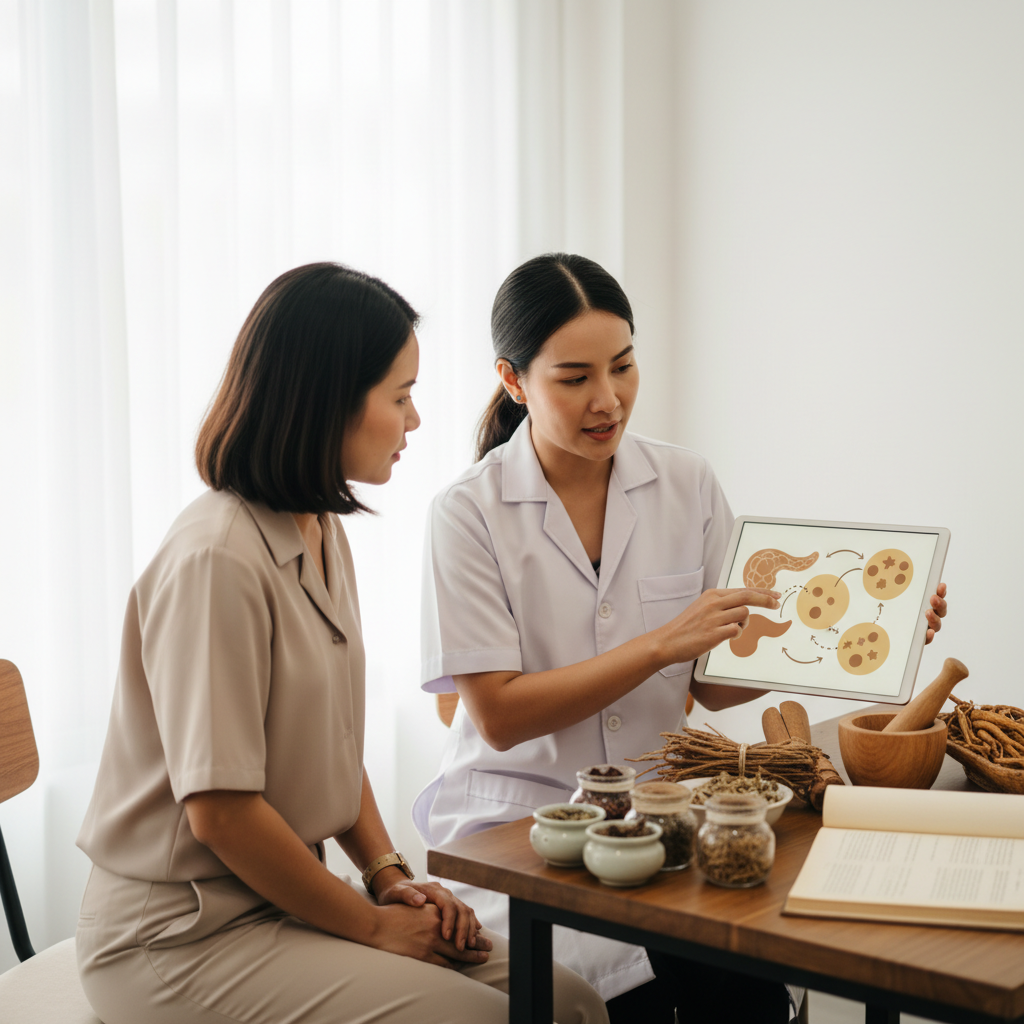
Traditional Thai medicine offers a holistic approach to understanding and managing such conditions. While not a replacement for conventional medical care, therapies like herbal medicine, including carefully selected "ยาหอม," and traditional massage techniques can complement overall well-being by addressing imbalances that may contribute to or exacerbate depressive symptoms. For example, imbalances in the body's elemental energies, as understood in Thai medicine, are believed to influence mood and vitality.
When to Seek Professional Help
While experiencing occasional low moods is a normal part of life, it's crucial to recognize when these feelings become persistent and start significantly disrupting your daily activities. If symptoms of depression, such as persistent sadness, loss of interest, fatigue, or changes in sleep and appetite, interfere with your work, relationships, or overall functioning for more than two weeks, it's time to consider seeking professional guidance.
Early diagnosis is key to effective management and recovery. The sooner you address these challenges, the more options are available for treatment and support. Consulting a healthcare professional, which may include a doctor or a mental health specialist, allows for a proper evaluation of your symptoms and a personalized treatment plan.
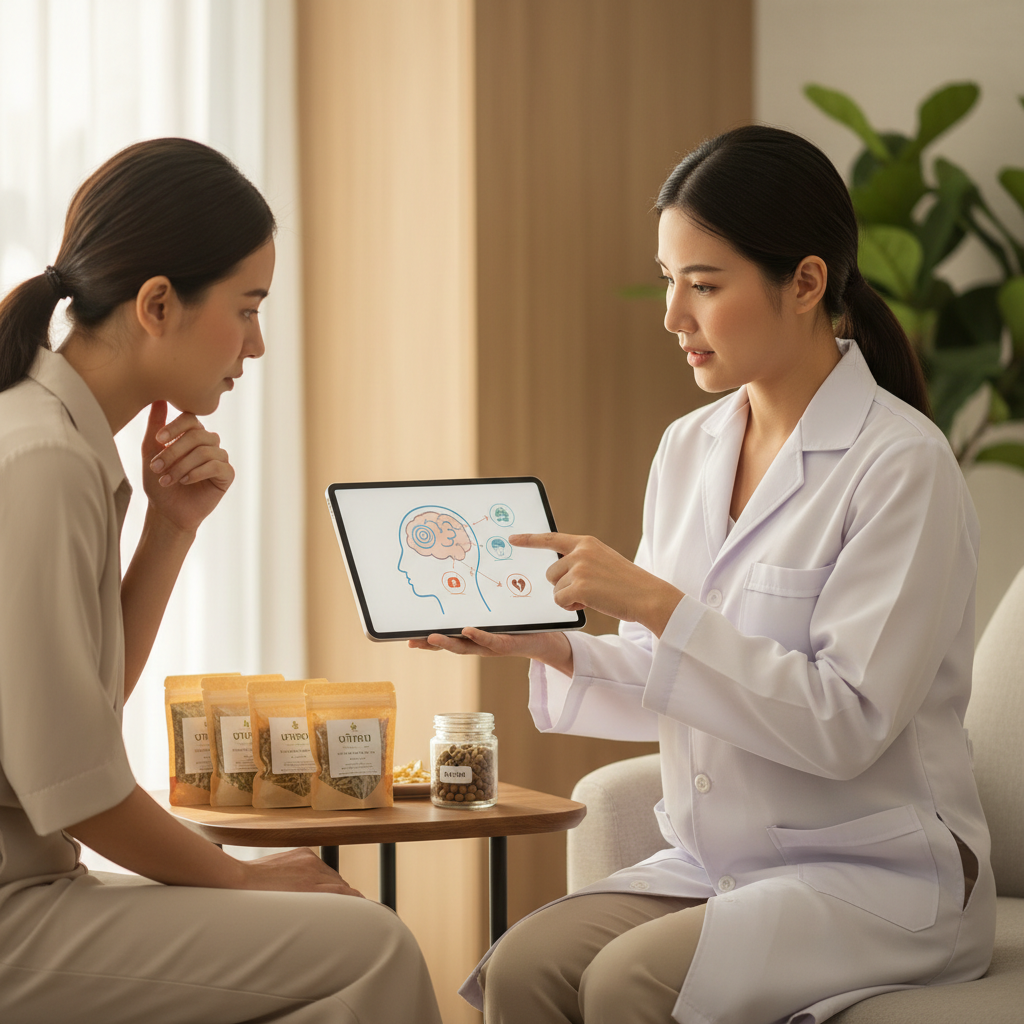
While conventional treatments often form the cornerstone of depression management, integrating supportive therapies can also be beneficial. Traditional Thai medicine offers various approaches that can complement standard care, aiming to restore balance and support overall well-being. For instance, if you are experiencing symptoms that might indicate imbalances related to mood or energy, a consultation with a qualified practitioner can explore options like personalized herbal medicine or other therapies that align with your individual needs. Remember, reaching out for help is a sign of strength, and a multi-faceted approach often yields the best results.
Holistic Support with Traditional Thai Medicine
Traditional Thai medicine offers a holistic approach to supporting mental well-being, viewing emotional health as intrinsically linked to the balance of bodily elements known as ธาตุ (thaat). This philosophy suggests that imbalances in these elements can manifest as various emotional states, including symptoms associated with depression. By restoring harmony, individuals may find relief and an improved sense of equilibrium.
Herbal Remedies for Emotional Balance
A cornerstone of traditional Thai medicine is the use of herbal remedies, particularly the revered "ยาหอม" (yaa hom). These aromatic preparations, often containing a complex blend of herbs, are designed to invigorate the spirit and calm the mind. While commonly known for easing dizziness or feelings of being overwhelmed, certain types of ยาหอม can be particularly beneficial in addressing emotional distress by addressing imbalances in the body's energy flow.
Other supportive therapies available include:
-
Thai Massage: Techniques like the Nirat Thai Royal Massage, deeply rooted in balancing the body's energy pathways, can release tension and promote relaxation, which are crucial for managing symptoms of depression.
-
Herbal Steam: Herbal steam therapy offers a way to deeply relax the body, potentially easing mental fatigue and promoting a sense of calm.
-
Tok Sen: This unique Lanna therapy uses a wooden hammer and chisel to tap along energy lines, which can help release deep-seated blockages that may contribute to emotional discomfort.
-
Personalized Herbal Medicine: For a more tailored approach, consultation for personalized herbal medicine can create remedies specifically designed to address your unique constitution and imbalances.
For personalized guidance and treatment plans tailored to your specific needs, consulting with a qualified Thai medicine practitioner is highly recommended. At Ratinai Clinic, experts like พท.ว. ณรงค์พล คงเจริญ are available to offer their expertise in creating a comprehensive wellness plan.
Frequently Asked Questions
Can herbal medicine help with depression symptoms?
While not a cure, certain herbal remedies like Yahom can help alleviate symptoms of anxiety and improve mood, complementing other treatments.
What are the main symptoms of depression?
Depression symptoms vary greatly. Common signs include persistent sadness, loss of interest, fatigue, and changes in appetite or sleep. Rostinai Clinic offers consultations for personalized herbal recommendations.
How can I get personalized advice for depression at Ratinai Clinic?
The clinic's Thai medicine doctor, พท.ว. ณรงค์พล คงเจริญ, can assess your condition and recommend suitable herbal formulas, including Yahom, or other treatments like Thai massage.
Is it safe to self-treat depression with herbs?
It's crucial to consult with a healthcare professional for a proper diagnosis and treatment plan, which may include therapy, medication, and supportive herbal care. Don't self-diagnose or rely solely on herbs for severe depression.
Conclusion
While modern medicine offers treatments, traditional Thai herbal remedies like 'Yahom' can support emotional well-being and complement conventional care for depression. Consult with a qualified practitioner for personalized advice.
Ready to take care of yourself?
Consult a licensed Thai traditional medicine practitioner at Ratinai Clinic, Pathum Thani.