7 Signs You Might Not Be Recovering Well Postpartum (Without Traditional Thai Confinement)
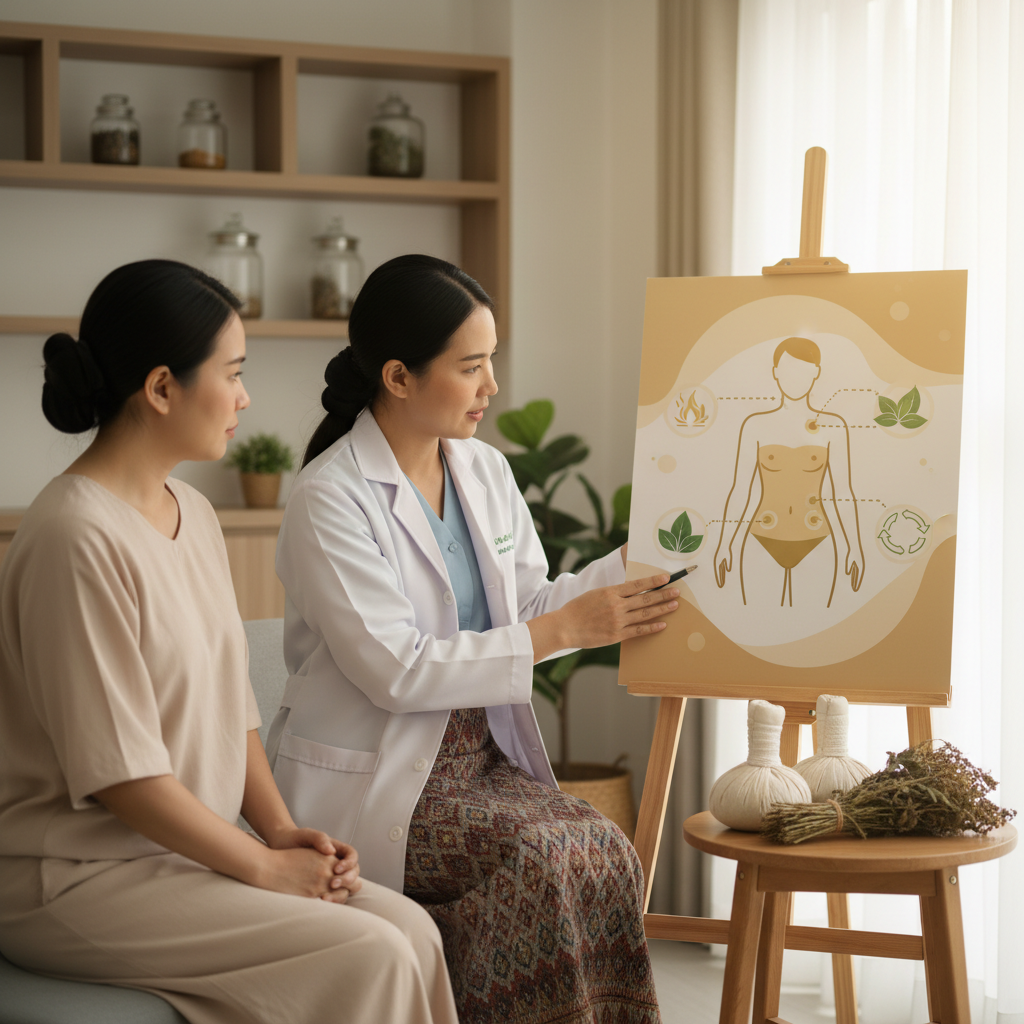
Many new mothers overlook traditional Thai postpartum confinement. This article reveals 7 key signs that might indicate incomplete recovery, and how traditional confinement can…
After childbirth, many mothers might overlook 'Yu Fai' or traditional Thai postpartum confinement care. In today's busy world, it's easy to skip this crucial step. But here at the clinic, I always tell my patients that Yu Fai isn’t just a belief; it’s a vital process for body recovery. If you haven’t fully recovered, your body might be sending you signals. Have you noticed any of these signs?
The Importance of Postpartum Recovery and Thai Confinement (Yu Fai)
I always tell new mothers that becoming a mom is a beautiful time, but it's also a huge shock to the body. At the clinic, we make it clear that this postpartum period isn't just about the baby. It is absolutely about you and your recovery. Your body just did something amazing. Now it's time to heal.
This is where our traditional Thai practice of "อยู่ไฟหลังคลอด" (Yu Fai) comes in. It's ancient wisdom from Thai medicine, designed specifically to help your body and mind find balance after childbirth. Think of it as a wellness retreat just for you, the new mom.
Why is Postpartum Recovery so Important?
After birth, your body needs to recover from a marathon. The hormonal changes are intense. Muscles and organs need to return to where they were before you were pregnant. The most important job is for the uterus to shrink back to its normal size. We have a special term for this: "มดลูกเข้าอู่" (mot-luk kao oo), which means the uterus "returning to its cradle." If we don't give the body the support it needs now, it can lead to aches, pains, and other health issues that linger for years.
The Benefits of Thai Confinement (Yu Fai)
So, how does Yu Fai help, exactly? It’s a gentle and complete approach that nurtures your whole being.
-
Pain Relief and Muscle Recovery: First, we focus on those new aches and pains. All that carrying and feeding the baby often leads to a sore back and tight shoulders. A gentle Thai massage and warm herbal compresses work wonders for that tension. They feel so good.
-
Detoxification and Rejuvenation: Next, we help your body cleanse itself. The pleasant heat from an herbal steaming and our special heated salt pot massage, called "ทับหม้อเกลือ" (Thap Mor Kleua), encourages you to sweat. This pushes out impurities and gets your blood flowing again. A patient told me once, "I felt like my body was completely reset."
I remember a woman who came to us after her second baby. She skipped any special postpartum care with her first, and she told me she felt weak and "out of sorts" for more than a year. After doing a course of Yu Fai with us, she said the difference was like night and day. She felt strong, centered, and like her old self so much faster.
-
Aiding Uterine Recovery: All this warmth is especially important for helping with "มดลูกเข้าอู่". It helps you heal from the inside by reducing abdominal swelling and helping your body expel the postpartum discharge. And it’s not just a traditional belief. Science actually backs this up. One study on heated salt pot massage showed uterine reduction rates of 4.6% after the second session, which jumped to 45.5% after the third, and 77.3% after the fourth session. That is powerful healing.
-
Emotional Well-being: Beyond the physical, Yu Fai gives you something priceless: a dedicated time to rest and be cared for. It helps reduce stress and makes the huge transition to motherhood feel a little smoother. In the rush of caring for a newborn, new moms often forget to care for themselves. Have you found yourself putting your own needs last?
Proper postpartum care, especially a traditional practice like Yu Fai, is one of the best things you can do for your long-term health. It helps you not only recover physically but also feel strong and thrive emotionally as you start this new chapter. It is not a luxury. It's essential care.
Signs 1-3: Aches, Pains, and Circulation Issues
At the clinic, we see so many new mothers who come in with aches that just won't quit. I'm talking about persistent pain in the neck, shoulders, back, and hips. It’s not just "new mom fatigue." This is something deeper. I often hear them say, "My back just isn't the same," or, "My shoulders scream every time I lift the baby." Have you felt that way? It can be a very clear sign that your body is having trouble getting back to its old self, especially if you skipped the traditional Thai practice of traditional Thai confinement, known as "อยู่ไฟหลังคลอด."
Another thing I hear all the time is numbness or tingling in the hands and feet. Or feeling cold easily, even when it's warm outside. Does that sound familiar? Poor circulation is usually the cause. It is your body’s way of whispering for help. In Thai medicine, we talk about your internal warmth and energy, what we call Lom (the wind element) and Fai (the fire element). When these are out of balance, you feel it.
Alleviating Aches, Pains, and Circulation Issues
So, what can we do about these symptoms? In Traditional Thai Medicine, we have wonderful ways to help. An herbal massage, or "นวดแผนไทยเพื่อสุขภาพ," is a great start. It isn't just a regular massage. We use it to release that stubborn muscle tension and get your blood flowing again. I always tell my patients that the combination of gentle kneading and therapeutic herbal oils is what tells your body it’s okay to relax and start repairing.
We also love using herbal steaming. I think of a patient I treated last month. She told me her feet were always cold after her delivery. We did a few herbal steam sessions, and she felt a huge difference. Her feet were finally warm. She slept so much better. The warm, medicated steam goes deep into the body, helping you sweat out toxins and boost circulation. For those really deep pains in the lower back and hips, nothing beats a hot salt compress, or "ทับหม้อเกลือ." We place it right on the sore spots. That direct heat helps the "มดลูกเข้าอู่"—encouraging your uterus to shrink back to its normal size—while also easing muscle stiffness. It's truly comforting.
Signs 4-5: Abdominal and Uterine Concerns
At the clinic, we often hear new mothers worry about their bodies after giving birth. One of the biggest concerns is a tummy that just won't go down. I had a patient last month who felt so disheartened. She told me, "Doctor, I still look five months pregnant." This is a very common feeling. It is perfectly normal.
Another big worry is the uterus not shrinking back to its old size quickly. We call this slow uterine involution. This can come with a nagging pain in your lower belly. You might also notice that the postpartum discharge, or lochia, is lasting a long time or has an unusual smell. Have you been feeling this way, too? These are important signals from your body.
In Thai traditional medicine, we have a wonderful practice for this period called อยู่ไฟหลังคลอด (yu fai lang klod). A key part of this is a treatment called Thap Mao Kluea (ทับหม้อเกลือ), or a hot salt pot compress. It sounds simple, but it’s powerful. We heat a special clay pot filled with salt, wrap it in medicinal herbs and a cloth, and then gently press it onto your abdomen.
I always tell my patients that research shows Thap Mao Kluea (ทับหม้อเกลือ) seriously helps the uterus contract and get back to its pre-pregnancy size. We call this process มดลูกเข้าอู่ (mod luk khao ou). One mother I treated described it perfectly. She said, "It's like a warm hug for my belly!" This warm compress also helps your body expel the leftover discharge and can even help reduce that stubborn abdominal fat. It really helps.
We recommend doing this for at least 3-5 days in a row for the best results. If you had a normal delivery, you can start as soon as 7 days after giving birth. For mothers who had a C-section, we need to be more careful. We advise waiting 30-45 days for the incision to heal before starting. It is such a gentle, comforting way to help your body heal.
Signs 6-7: Mood Swings and Emotional Distress
A new mom came to see me last month. She was on an emotional roller coaster. She told me, "Doctor, I just burst into tears and I don't know why. Is something wrong with me?" We often focus so much on the body after childbirth that we forget about the heart and mind.
It's perfectly normal to have some mood swings. But we need to pay attention. If you feel irritable all the time, cry a lot, or feel an anxiety you can't shake, your body is telling you it needs help. Not getting enough sleep makes everything 10 times worse. Sleep is so important.
The Importance of Mental Well-being
I always tell my patients that your mental health is just as important as your physical healing. In Thai tradition, we have a wonderful practice called "อยู่ไฟหลังคลอด" (yu fai lang khlot). It’s a whole-body approach to healing. It's not just about the physical side, like shrinking the womb back to size—what we call "มดลูกเข้าอู่" (mod luk khao u). We also use therapies like "ทับหม้อเกลือ" (thap mor gleua)—a warm salt pot compress on the belly—to help restore emotional balance. It reminds us that the body and mind are deeply connected.
Herbal Support and Relaxation
At the clinic, we use gentle herbs to help calm the nerves and bring on better sleep. The right herbs can work wonders for anxiety, but they must be chosen for you by a trained practitioner. We also teach simple relaxation methods. Deep breathing can make a huge difference.
We also use a warm herbal steam bath, called "อบสมุนไพร" (op samunphrai). It's deeply relaxing. It helps release tension and you’re surrounded by beautiful, calming smells. A full course of postpartum care might take 5-7 days and can feel like a total reset. Have you ever felt that need for a complete reset yourself?
Ratinai Clinic's Postpartum Confinement Program
At Ratinai Thai Traditional Medicine Clinic, we see how different every new mother's journey is. That's why our อยู่ไฟหลังคลอด (postpartum confinement courses) are never one-size-fits-all. We create a personal plan, usually over 5 to 7 days, to give you focused care during this really important time. Think of it as a complete reset for your body.
I always tell my patients that postpartum care isn’t just about the physical side of things. It's about your mind and your spirit, too. Our program uses traditional Thai healing to help you feel whole again. It's a total reset.
Our Postpartum Healing Modalities
-
Traditional Thai Massage: We start with a gentle Thai massage designed for new mothers. This helps ease those deep muscle aches and gets your blood flowing again. It feels incredible.
-
Herbal Compresses: Next, we use warm compresses filled with therapeutic herbs. We apply them to your body to soothe inflammation and help you relax completely.
At the clinic, we often see new moms who are completely exhausted and dealing with discomfort in their belly area. I had a patient last month, a new mom with twins, who told me she just couldn't shake the bloating and soreness. We used our traditional steaming and a special hot salt pot treatment with her, and she said she felt a significant difference after just a few days. Have you ever felt that lingering discomfort after your body's been through a major change?
-
Herbal Steaming (อบสมุนไพร): This part is so calming. The steam helps your body release toxins, can make your skin glow, and provides a sense of deep relaxation.
-
Thap Mo Kluea (ทับหม้อเกลือ): This unique hot salt pot compression, which we call
ทับหม้อเกลือ, is a special therapy to help your womb shrink back naturally (มดลูกเข้าอู่). Our licensed practitioner, พท.ว. ณรงค์พล คงเจริญ, personally supervises this treatment. It's wonderful for reducing abdominal bloating and toning the stomach.
Ultimately, our approach is about making you feel like yourself again. We want to help your body restore itself, encourage your มดลูกเข้าอู่, and reduce your stress. We are here to guide you through each step with personal attention, prioritizing your comfort and recovery.
Who Should Avoid or Consult a Doctor Before Yu Fai?
At the clinic, we believe the traditional Thai practice of "อยู่ไฟหลังคลอด" or Yu Fai postpartum care is a beautiful way for a new mother to heal. But your safety comes first, always. It’s a wonderful tradition, but it isn’t for everyone. Before we begin any treatment, we must sit down and talk, making sure this is the right and safest path for you.
General Contraindications
There are some clear signs that your body is not ready for Yu Fai. We have to pause if you:
- Have a fever over 37.5 degrees Celsius. A fever is your body’s signal that it's busy fighting an infection.
- Are experiencing hemorrhage or any heavy, unusual bleeding.
- Have uncontrolled heart disease, very high blood pressure, or diabetes that isn't stable. These conditions need your main doctor's close watch.
I always tell my patients that we are treating the whole person, not just the body. Your emotional well-being is a huge part of recovery. A young mother I treated recently was healing well physically, but she felt exhausted and overwhelmed. We adjusted her plan to include more rest and gentle therapies to calm her mind. Mental health comes first.
With that in mind, we also postpone treatment if you:
- Are struggling with severe postpartum depression. Let's support your mind first.
- Have a serious infectious disease like tuberculosis or an active skin infection.
- Have severe osteoporosis, as even gentle massage needs to be carefully considered.
- Just ate a big meal in the last 30 minutes. Let your food digest. It’s that simple.
Specific Precautions
For mothers who've had a C-section, we need to be patient. I tell them that for a vaginal birth, we can often begin after about 7 days. But for a C-section, your body needs more time. We must wait 30-45 days until that incision is fully healed before doing treatments like the herbal salt pot compress, or "ทับหม้อเกลือ". Pushing it too soon isn't worth the risk.
Any unhealed wound is a sign to wait. This could be from the C-section or a perineal tear. We might need to delay treatments or change them to avoid those sensitive areas. What seems like a minor wound can become a big problem if not cared for. We also need to be careful with certain massages if you are on blood thinners or have a history of clotting disorders. Have you been worried about how your specific delivery might affect your recovery options?
The Importance of Professional Consultation
This is why it's so critical to speak with a qualified practitioner. When you come into Ratinai Thai Traditional Medicine Clinic, we don't just start treatments. We talk. I'll check your blood pressure, pulse, and temperature. We'll look at your lochia (the normal discharge after birth) and check on the healing of any wounds. For C-section moms, we carefully examine the incision. We want to see that your "มดลูกเข้าอู่" (your uterus) is shrinking back to its pre-pregnancy state safely.
If you have any doubts, please talk to your regular doctor as well as a traditional practitioner like me. We love working together with other healthcare providers. Think of us as your team. Open communication between all of us is the best way to ensure you have a safe, warm, and healing postpartum journey.
Tips for Self-Care from a Thai Traditional Doctor
Here at the Ratinai clinic, we know how important self-care is after having a baby. Your body has gone through a huge change. I always tell my patients this is a time for nurturing yourself back to strength, not for "bouncing back."
Nourish Your Body with Warmth
I had a new mother come to the clinic last month. She was exhausted and just couldn't get her energy back. It turned out she was eating salads and drinking iced water, thinking it was healthy. We switched her to warm ginger tea, soups, and cooked vegetables. Within a week, she felt like a new person.
In Thai medicine, we believe warm foods help rekindle your internal "fire" and get your blood moving again after delivery. Cold foods and drinks do the opposite. They can slow everything down. So please, stick to warm, cooked meals. It makes a real difference.
Rest and Gentle Movement
Please, get as much rest as you can. I know it's hard. But the old advice is true: sleep when your baby sleeps. Your body needs this time to heal. When you feel up to it and your doctor gives the okay, some gentle movement is wonderful. Nothing strenuous. Just a few slow walks around your home can help you feel more like yourself again, without overdoing it.
Safe Home Remedies
While professional postpartum care like อยู่ไฟหลังคลอด is a full, dedicated program, there are simple things you can try at home. A warm herbal compress, using ingredients right from your kitchen like ginger or turmeric, can feel heavenly on tired muscles. Applying one for just 10-15 minutes can really reduce those aches and pains. Herbal foot baths are also very relaxing. Do your feet feel tired and heavy at the end of the day?
When to Seek Professional Help
While home care is good, sometimes your body needs extra support from a professional. It's so important to talk to a qualified Thai traditional medicine practitioner before starting any new postpartum plan. At our clinic, พท.ว. ณรงค์พล คงเจริญ can look at your specific situation and recommend treatments that are safe for you.
For instance, services like herbal steaming or the specialized care of yu fai (postpartum care) can really help your recovery. They help your uterus return to its pre-pregnancy state, a process we call มดลูกเข้าอู่. This includes wonderful therapies like ทับหม้อเกลือ (a warm herbal salt pot compress) which helps reduce swelling in the womb and promote healthy blood flow. It’s a very healing treatment.
Frequently Asked Questions
How long should postpartum confinement last?
A 5-7 day continuous course is recommended for best results, or consult a specialist.
Can I do Yu Fai after a C-section?
After a C-section, wait at least 30-45 days until the wound is fully healed and your doctor approves.
Does Yu Fai really increase breast milk supply?
The warmth and herbal stimulation can improve circulation, which may support milk production.
Are there any side effects?
When performed correctly under expert guidance, side effects are minimal.
Conclusion
I hope these 7 signs help you mothers better observe yourselves and understand the importance of postpartum care. 'อยู่ไฟหลังคลอด' is more than just a tradition; it’s an investment in your long-term health. It helps you regain strength, happiness, and the energy to care for your little one fully. If you have any questions or want further consultation, feel free to contact us at @ratinai.clinic.
Ready to take care of yourself?
Consult a licensed Thai traditional medicine practitioner at Ratinai Clinic, Pathum Thani.