Cervical Cancer Statistics for Postpartum Women: Understanding Risks and Prevention
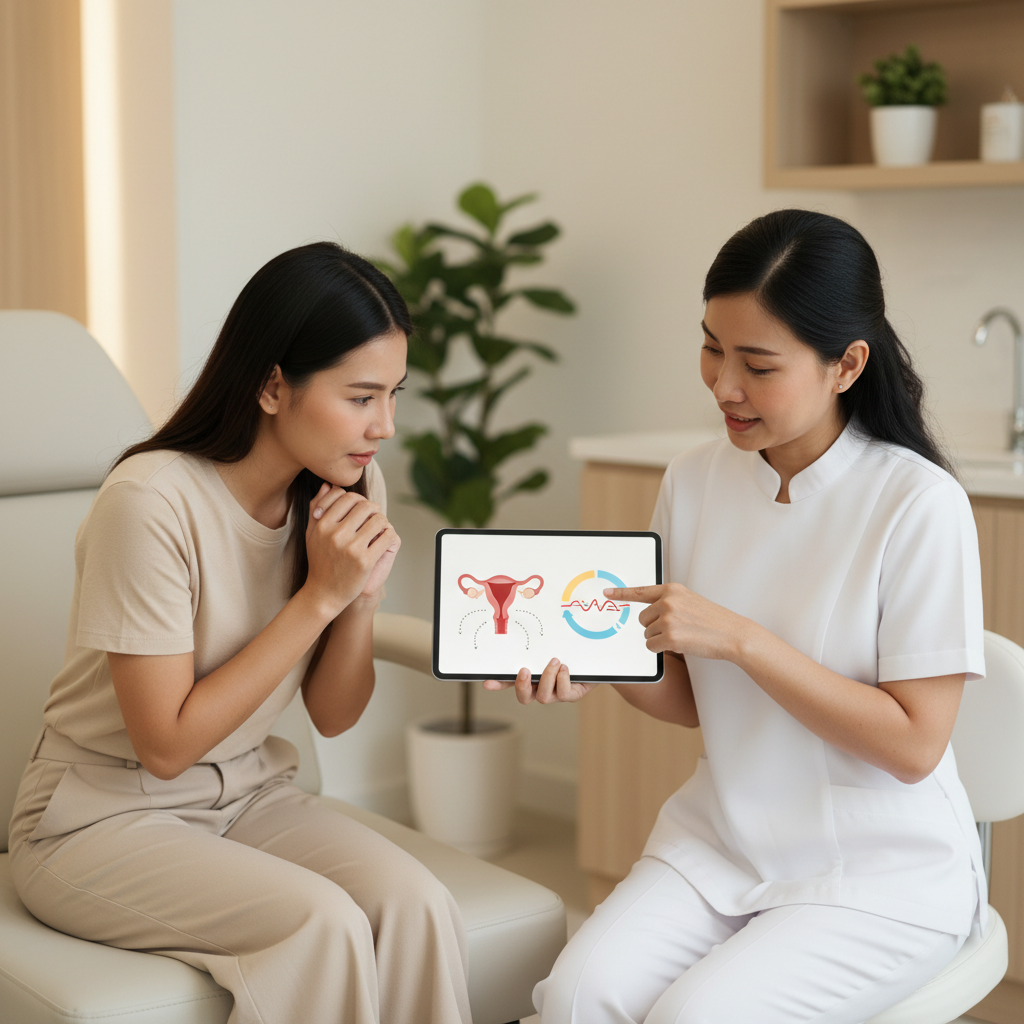
Cervical cancer remains a significant concern for women worldwide. This article delves into the statistics and risks, particularly for postpartum women, offering practical…
Bringing a new life into the world is a joyous, yet demanding, experience. New mothers often dedicate all their energy to their newborns, sometimes overlooking their own health needs. Cervical cancer is one such vital health aspect. Have you ever wondered about the statistics and risks for women after childbirth? Let's explore this important topic together.
Misconceptions About Cervical Cancer and Postpartum Women
As a doctor, I often see new mothers so focused on their baby that their own health gets pushed to the very bottom of the list. In the blur of feeding and sleepless nights, it’s easy to think, “I’ve just been through pregnancy and childbirth; my body is strong. I’m surely not at risk for something like cancer now.” But is that really true?
Many ผู้หญิงหลังตลอด (postpartum women) hold a quiet belief that childbirth somehow "resets" or cleanses the body, giving them a pass on diseases like มะเร็งปากมดลูก (cervical cancer). This is a dangerous myth. While pregnancy is a monumental physical event, it doesn’t grant you immunity. Your risk for cervical cancer remains.
The real story behind this cancer isn't about pregnancy at all. It’s almost always about a persistent infection with the human papillomavirus, or HPV. สถิติ (statistics) show that nearly 80% of sexually active people get HPV at some point, but most immune systems clear it. What we worry about is when the virus lingers. Other factors can increase your risk, too, like a weakened immune system, smoking, or long-term use of birth control pills. It's a complex picture.
During the postpartum period, your body is a whirlwind of hormonal shifts as it recovers. These fluctuations can sometimes influence cervical cells, which is why regular check-ups are so important. A patient I treated last year, a new mom with a six-month-old, had put off her Pap smear for nearly three years. She felt fine, just tired. When we finally screened her, we found early cell changes that required immediate attention. We caught it in time. Don't let this be you. Have you scheduled your check-up? Prioritizing your health is one of the best things you can do for your family.
Global and Local Cervical Cancer Statistics
As a doctor, it's a diagnosis I never want to give, yet "มะเร็งปากมดลูก" is the fourth most common cancer for women across the globe. The numbers are sobering. The World Health Organization reports hundreds of thousands of new cases and deaths every year, most of them in countries with limited access to care. It's a global fight.
Here in Thailand, the สถิติ tell a familiar story. We’ve made good progress with screening, but it's still a major health challenge we're working to overcome. I find this is especially true for new mothers. At our clinic, Ratinai Thai Traditional Medicine Clinic, we often see ผู้หญิงหลังตลอด who are so focused on their new baby that their own health takes a backseat. They are exhausted. Their needs come last.
I remember a patient I treated last month. She was a few months postpartum, busy with her newborn, and thought her own check-up could wait. "I feel fine, doctor," she told me. "I just don't have the time." This is a story we hear constantly. But the postpartum period is a critical window for your own health, not just for recovering from childbirth.
Think about it: pregnancy is a massive undertaking for the body. Research shows that having multiple pregnancies can affect your gynecological health down the line. It doesn't cause cancer, but it does create changes that make regular screenings absolutely vital for catching problems early. Early detection is everything.
So I have to ask: have you made time for your own check-up after giving birth? Even if you feel perfectly fine, taking that one hour for yourself isn't selfish. It's essential.
Special Risk Factors for Postpartum Women
As a doctor, I often see new mothers who are, understandably, focused entirely on their new baby. But your own health matters just as much, especially during this time of huge physical change. For ผู้หญิงหลังตลอด (postpartum women), there are some unique things that can affect your risk for มะเร็งปากมดลูก (cervical cancer). It's a vulnerable time. Let's walk through what you should know.
Hormonal Shifts and Cervical Health
Pregnancy and the postpartum period send your hormones on a rollercoaster. These massive hormonal swings can influence the cells in your cervix, potentially making them more susceptible to a lingering Human Papillomavirus (HPV) infection. While we know HPV is the main cause of cervical cancer, your hormonal environment can affect how well your body clears the virus. Think of it like this: the virus is a weed, and a certain hormonal state can act like the perfect fertilizer, helping it stick around when it should be gone.
Parity and Contraception
Parity is simply the medical term for the number of full-term pregnancies you've had. Some สถิติ (statistics) suggest that having several children may slightly increase your risk. The exact reasons are still being studied, but it might be linked to the prolonged hormonal exposure during multiple pregnancies or even the physical stretching and changes to the cervix during childbirth. It’s a complex picture. In addition, the type of birth control you choose after delivery can matter. Long-term use of oral contraceptives is sometimes linked to a slightly higher risk, though we always weigh this against their many benefits for family planning. This is a personal decision to make with your doctor.
Lifestyle Choices
Life with a newborn is demanding. I get it. A patient I treated recently was so consumed with her baby’s schedule that she was skipping meals and surviving on just a few hours of sleep. It’s incredibly common. But your daily choices really do add up. Smoking, for instance, significantly raises your risk because the toxins from cigarettes don't just stay in your lungs—they can concentrate in the mucus of your cervix, damaging cells and making them more vulnerable to HPV. A weakened immune system, whether from stress, poor nutrition, or lack of sleep, also struggles to fight off the virus. Taking care of yourself isn't selfish; it's essential.
What is one small thing you could do for your own health this week? Taking that first step is everything. Understanding these risks empowers you to have a better conversation with your doctor about screening and staying healthy for the long run.
Warning Signs and When to Seek Medical Advice
After you've given birth, your body is doing a massive amount of work to recover. It's a beautiful, and sometimes confusing, time. While some aches and discomfort are a normal part of healing, certain signs are your body’s way of asking for help and should never be ignored. At Ratinai Thai Traditional Medicine Clinic, we talk about these signs with new mothers, because catching things early is everything.
Recognizing Abnormal Symptoms
Paying close attention to your body after birth is one of the most important things you can do. You are the expert on what feels normal for you. Trust that instinct.
-
Unusual Bleeding: You should expect some bleeding, but it should gradually get lighter. If you find yourself soaking through pads very quickly, see bright red blood after the first couple of weeks, or notice the bleeding gets heavier instead of lighter, that's a red flag.
-
Abnormal Discharge: Postpartum discharge (lochia) has a typical progression. A discharge that develops a foul odor, or has an unusual color like green, grey, or yellow, often points to an infection that needs attention.
At our clinic, we often see women who downplay these symptoms, especially pain. They think it must be normal. A patient I treated last year endured painful intercourse for nearly six months, believing she just had to wait it out. It wasn't normal; it was a treatable pelvic floor issue we could support once she got a diagnosis. While problems are often simple, some signs like abnormal bleeding can, in rare cases, be a warning for serious conditions like มะเร็งปากมดลูก (cervical cancer). It is always better to know for sure. The สถิติ (statistics) show that up to 1 in 5 women experience some form of postpartum complication. You are not alone in this.
-
Pain During Intercourse: Sex after a baby can feel different, but it should not be persistently painful. This is a clear sign to talk to a doctor. Please do not just 'power through' it. Pain is a signal.
-
Persistent Pelvic Pain: Sharp, ongoing pain in your pelvis, different from the mild cramping of your uterus shrinking, could be a sign that something else is going on.
-
Systemic Symptoms: Fevers, chills, or a deep fatigue that sleep doesn't fix are your body's alarm bells. They warrant a call to your doctor.
Have you been brushing off any of these feelings as just 'part of the process'? I always tell my patients: write it down. Keep a simple log on your phone of what you're feeling, when it started, and how severe it is. This information is gold for your healthcare provider.
When to Consult a Professional
If any of this sounds familiar, please don't wait. We believe in a partnership between modern medicine and traditional healing. Your first step should always be to see your primary care physician or gynecologist to get a clear diagnosis. They are experts at identifying and treating acute problems.
Once you know what you're dealing with, we can help. Our goal at Ratinai is to support ผู้หญิงหลังตลอด (long-term wellness for postpartum women) by complementing your doctor's care. We can explore approaches like herbal medicine to help your body find its balance and support its natural healing journey.
Remember, your health matters. If in doubt, reach out. You can contact us at Ratinai Thai Traditional Medicine Clinic via LINE at @ratinai.clinic for a consultation on your holistic well-being.
Prevention and Holistic Care for New Mothers
After having a baby, your body has been through a monumental change, and it's easy to put your own health on the back burner. But this is precisely the time to be proactive. When we look at the สถิติ for มะเร็งปากมดลูก (cervical cancer), we see that regular screenings for all women, including ผู้หญิงหลังตลอด (postpartum women), are one of the most powerful tools we have.
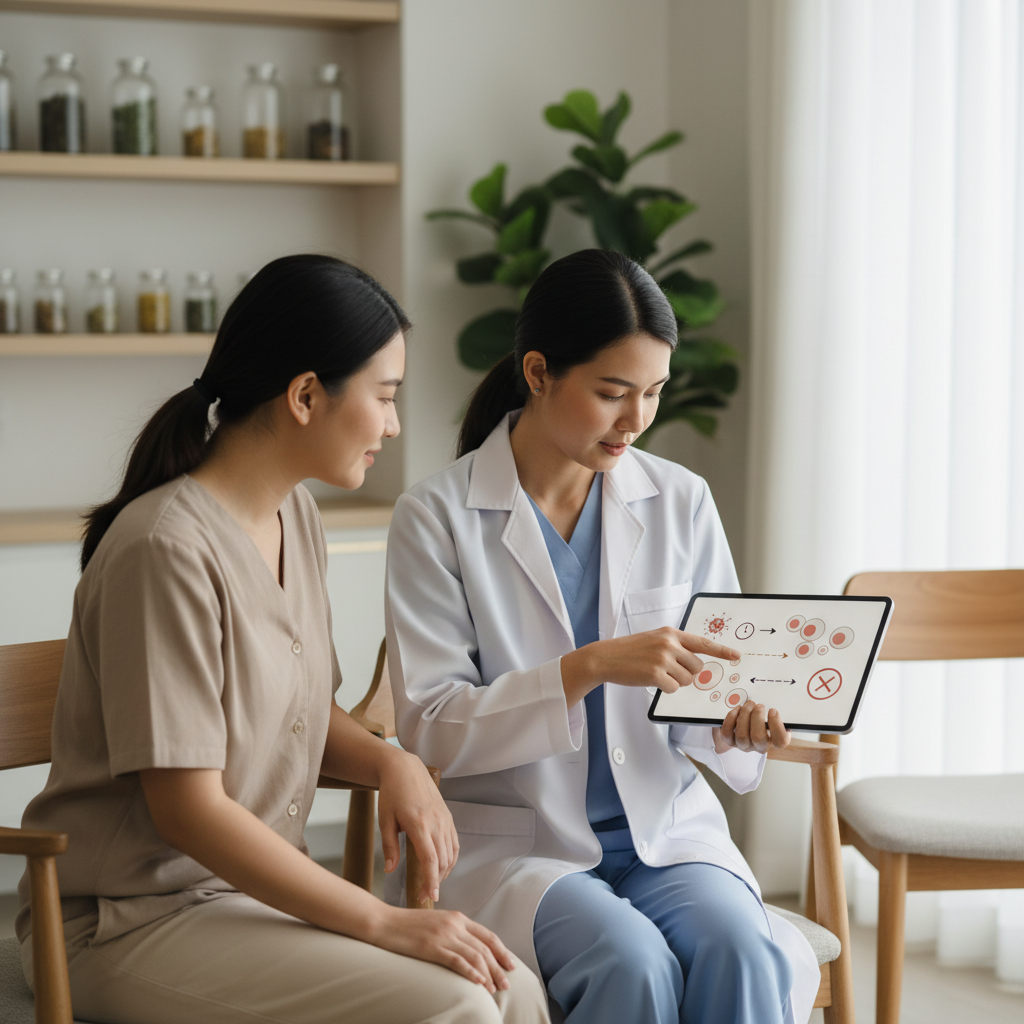
Think of Pap smears and HPV DNA tests as a routine check-in for your body. They allow us to spot any cellular changes long before they could ever become a problem. It’s a simple check. It can save your life.
Vaccination and Immunity
Another layer of protection is the HPV vaccination. If you weren't vaccinated before your pregnancy, it’s not too late. I encourage you to talk with your doctor about it. This vaccine works like a shield, protecting you from the specific HPV types that cause over 70% of cervical cancers. It offers real peace of mind.
At the clinic, we often see new mothers who feel depleted and are looking for ways to rebuild their strength. This is where a holistic approach can be so helpful. A patient I treated recently decided to explore traditional Thai medicine postpartum. A qualified practitioner gave her a specific blend of immune-boosting herbs, and she was amazed at how much stronger and more vibrant she felt. Have you ever considered how natural remedies might support your body’s defenses?
Balanced Nutrition and Elemental Harmony
Restoring the uterus is a top priority after childbirth. In Thai Traditional Medicine, we look at this through the lens of your body’s unique elemental makeup—Earth, Water, Wind, and Fire. It’s a bit like cooking; you need the right balance of ingredients for the dish to turn out well. For example, a woman with a dominant Water element might need more warming foods and herbs after delivery to counteract coolness and help her uterus contract properly. This is a time-tested approach.
We have a deep respect for this ancient wisdom. Using specific herbs for "แก้ไขเลือดของขรัวพ่อฉิม" (to correct Khrua Por Chim's blood imbalances) can support uterine recovery and help prevent issues like retained blood. This isn't just about physical healing; it's about cleansing the body to prevent future complications.
When you tailor your diet to what your body is asking for, you support its deepest functions. It’s more than just physical recovery. It’s holistic health. It's truly transformative.
Thai Traditional Medicine for Postpartum Uterine Health
What does it truly mean to heal after childbirth? For generations in Thailand, this question has been answered with a practice called "Yu Fai," or postpartum confinement. Imagine a new mother, finally home, being enveloped in warmth and healing herbs. This isn't just about rest. It's an active process to restore the body's balance, help the uterus return to its pre-pregnancy size, and support the natural discharge of lochia. It's a profound time.
At Ratinai Thai Traditional Medicine Clinic, we bring this ancient wisdom into our modern practice. A patient I treated last month was exhausted and felt disconnected from her body. We started with a gentle herbal compress massage, focusing on the pelvic area to stimulate blood flow. The rhythmic pressure helps break up stagnation and encourages the body to heal itself. It is deeply calming. We believe in finding and treating the root cause.
But the work doesn't stop there. Personalized herbal medicines play a crucial role. Have you felt your hormones are all over the place since giving birth? We select specific herbal formulas to help your body find its equilibrium again, gently cleansing the system of toxins that can build up after delivery.
I see this period not just as recovery, but as the foundation for lifelong uterine health. While our immediate goal is healing, we can't ignore the bigger picture. When you look at health สถิติ (statistics), uterine issues like มะเร็งปากมดลูก (cervical cancer) remain a serious concern for women. That’s why I believe that giving dedicated care to ผู้หญิงหลังตลอด (postpartum women) is so vital—it sets the stage for a healthier future.
To create a truly personalized postpartum plan, consulting with a qualified practitioner is key. Someone like พท.ว. ณรงค์พล คงเจริญ can assess your specific body constitution and guide you. Our postpartum care (อยู่ไฟ ดูแลคุณแม่หลังคลอด) programs typically span 5-7 days for the best results, with packages starting from 12,000 Baht.
Frequently Asked Questions
Does natural childbirth truly reduce cervical cancer risk?
Natural childbirth does not directly reduce cervical cancer risk, but overall good health contributes positively.
When should postpartum women get screened for cervical cancer?
Generally, screening is recommended once menstruation returns to normal, or consult your doctor for personalized advice.
Is the HPV vaccine still necessary for women who have already given birth?
The HPV vaccine remains beneficial for protecting against new HPV strains, even after childbirth.
Does long-term use of birth control pills increase cervical cancer risk?
Some studies suggest a potential link, but it's one of several risk factors. Discuss with your doctor.
Conclusion
While postpartum life brings immense joy and new challenges, prioritizing a mother's physical and mental well-being is crucial. Understanding cervical cancer statistics, prevention, and consistent screening are key to ensuring all women lead healthy and fulfilling lives. The team at Ratinai Clinic and I are here to support you.
Ready to take care of yourself?
Consult a licensed Thai traditional medicine practitioner at Ratinai Clinic, Pathum Thani.