Opening Up on Depression & Diabetes: Our Holistic Well-being Guide

Depression and diabetes often go hand-in-hand. Let's explore their connection and learn how to nurture both our physical and mental health for a balanced life.
Sometimes life throws us a double whammy, doesn't it? Like dealing with the emotional weight of 'depression' and the physical demands of 'diabetes' at the same time. It can feel overwhelming, but these two conditions are often more connected than we realize, making a holistic approach to self-care incredibly important.
The Unexpected Link: When the Mind Fades, the Body Follows
It’s amazing how deeply our emotional and physical health are connected, isn't it? Have you ever noticed how a period of high stress seems to make you feel unwell all over? What if that link was even stronger, tying something like depression directly to diabetes? At our clinic, we constantly see how mental and physical health are two sides of the same coin, with chronic stress often being the bridge between them.
We see a huge overlap between depression and diabetes. It’s a real two-way street. Feeling depressed can increase your risk of developing type 2 diabetes. And on the flip side, the daily grind of living with diabetes can understandably raise the chances of feeling depressed. The connection is incredibly serious; studies show that over 60% of individuals who die by suicide also suffer from depression. This isn’t just psychological. There are real, physical things happening in the body. Imbalances in brain chemicals like serotonin and norepinephrine are often involved. These are the messengers that affect both your mood and how your body processes energy.
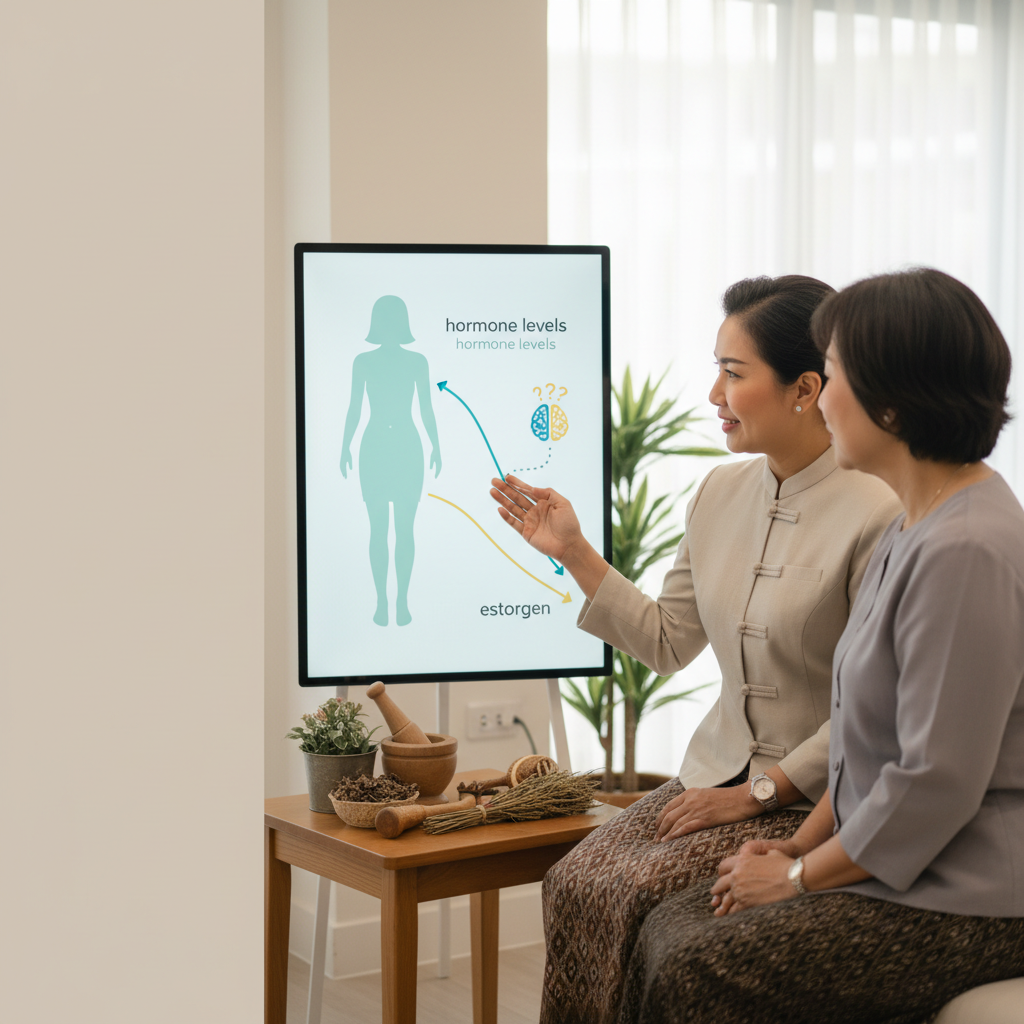
Then there’s the hormone side of things. Chronic stress triggers the release of cortisol. This is the "fight or flight" hormone. It can raise your blood sugar levels, making it much harder for your body to manage glucose. For someone already at risk, this unrelenting stress can be a direct path to developing diabetes. It’s a vicious cycle. Persistent high blood sugar can also cause inflammation, which in turn impacts brain function and can make you feel more depressed. Can you see how it all feeds into itself?
A patient I treated last month comes to mind. She had perfectly controlled blood sugar for years. Then, a major life event triggered prolonged stress, and her blood sugar spiked. It became so much harder for her to manage. Her story was a powerful reminder for all of us here. It really highlights why we have to address both the mind and the body, together.
Warning Signs to Watch For: Pay Attention to Yourself and Loved Ones
I know how easy it is for us to get caught up in the rush of daily life. Life gets busy. But paying attention to those quiet little changes in ourselves, and in the people we love, can make all the difference. This is especially true when sneaky conditions like depression and diabetes show up together, feeding off one another.
Recognizing Depression Symptoms Co-occurring with Diabetes
Have you ever felt a sadness that just sticks around, no matter what you do? It’s much more than just a bad day. I remember a woman who came to see us at the clinic. She used to love gardening, but she said she couldn't even bring herself to look at her plants anymore. That deep loss of interest in things you once enjoyed is a major sign. When someone has diabetes, this can look like not checking their blood sugar or giving up on planning healthy meals.
Then there’s the fatigue. This isn't just regular tiredness; it's a bone-deep weariness that a good night's sleep can't seem to fix. Speaking of which, sleep gets all messed up, too—either you can't sleep at all or you can't seem to get out of bed. These quiet shifts can be depression setting in alongside diabetes. It's such a heavy burden to carry alone.
Spotting Diabetes Symptoms During Depression
On the other hand, a bout of depression can easily hide the early signs of diabetes. A close friend of mine was struggling with her mental health for a few months, feeling completely drained and hopeless. She didn't connect her physical symptoms to anything else. She was constantly thirsty and had to go to the bathroom all the time. Those are classic signs of diabetes. She was also losing weight without trying, which just added to her anxiety.
Her body was sending out signals, but the noise of her depression was too loud.
It’s so important to remember that our minds and bodies are deeply connected. They're always talking to each other. So, if you notice these changes in yourself or someone you care about, please, say something. Communication with family and a doctor is everything. Have you noticed any of these small changes lately? Don't be afraid to voice your concerns. Catching it early can change the whole story.
Holistic Care: Thai Traditional Medicine Approaches
You know how in Thai medicine we see the body as a mix of four elements? Earth, water, wind, and fire. When they get out of sync, we start to feel it—physically or emotionally. It can even show up as things like depression or diabetes. Our whole approach is about gentle correction, getting your mind and body back into harmony. It’s all connected.
When you're dealing with those low, heavy feelings of depression, we often turn to herbs that can soothe the mind. There's Bua Bok (Centella asiatica), which is wonderful for easing stress and anxiety, helping you feel more centered. Turmeric, or Khamin Chan, has also been shown in studies to help support a balanced mood. Even something as simple as pumpkin can help, because it has compounds that can influence your serotonin levels. They are nature's allies.
And for something like diabetes, the goal is always to keep blood sugar stable. We have herbs for that, too. Many people find bitter melon, or Mara Kee Nok, incredibly helpful for regulating blood sugar. Another one we use is Chaphlu (wild betel leafbush), which research has shown can also play a role in managing blood sugar. It's about giving your body the tools it needs.
Restoring Balance Through Touch
Besides herbs, the power of touch is so important in our medicine. Have you ever felt that deep, knotty tension just melt away after a good massage? It's so much more than just relaxing your muscles.
A friend of mine was carrying so much stress, it was giving her constant shoulder pain and headaches. After just two sessions of Tok Sen, she felt like a different person. That unique tapping rhythm gets deep into chronic muscle tension and really improves circulation. It's amazing.
Techniques like Royal Thai Massage are designed to rebalance your lom prathan sip, which are the ten main energy lines in your body. When energy flows freely through them, everything just works better. These therapies help reduce stress, get blood flowing, and restore that smooth flow of energy. We see it all the time at the clinic. People walk out feeling lighter and so much more clear.
Of course, the best healing journey is one designed just for you. For that, I always suggest talking with an experienced practitioner. At Ratinai Thai Traditional Medicine Clinic, พท.ว. ณรงค์พล คงเจริญ will sit down with you to figure out your unique elemental balance and what you need. He can create a personal plan, maybe with herbs and bodywork together, to guide you back to feeling your best. What’s one small step you feel you could take for your own balance today? It's a journey, and we're here to walk it with you.
Nourishing Your Mind and Blood Sugar: Food as Medicine
When we talk about feeling good from the inside out, the food we eat is everything. It’s not just about our weight or even blood sugar; what we put on our plate has a huge effect on our mood. I’ve seen it so many times—simple changes to what someone eats can make them feel like a new person. We always say, "Food is medicine." It really is!
Nature's Pharmacy: Sugar-Lowering Vegetables
Let's look at some amazing vegetables that can help keep our blood sugar steady. These aren't just old wives' tales from grandma; modern science is actually proving them right.
-
Bitter Melon (Makhuea Phuang): This vegetable helps your body release insulin and slows down how much sugar your liver makes. I know, it’s really bitter. But a friend of mine told me her secret: she blanches it in salted boiling water for a minute, and it takes the edge right off.
-
Wild Betel Leafbush (Chaphlu): Studies on diabetic rabbits showed that this leaf helped lower their blood sugar. What’s interesting is that it didn't affect the healthy rabbits. So feel free to enjoy it in your meals.
It's amazing how many powerful plants are growing right in our own gardens. At the clinic, we often see people who are shocked to learn that a simple, everyday vegetable can have such a big health benefit. It's easy to overlook what's right in front of us.
-
Gynostemma pentaphyllum (Phak Chiangda): This herb is incredible. It not only helps block your body from absorbing sugar in the first place, but it also helps restore the special cells in your pancreas that produce insulin.
-
Ivy Gourd (Tamlueng): A true classic in traditional medicine for diabetes. Every part of the plant—the leaves, roots, and even the fruit—has been shown to have impressive blood sugar-lowering effects. Try adding it in just 1-2 times a week.
The Power of Rice Bran Oil for Mood and Sleep
Beyond balancing blood sugar, some foods have a surprising ability to calm our minds. Rice bran and germ oil is one of my favorites to recommend. It contains a natural compound called GABA, which is a neurotransmitter that tells our brain it's time to relax and can help us get better sleep. It also has N-Acetylserotonin, which our body uses to make melatonin, the hormone that governs our sleep cycle.
Better sleep means a calmer mind. It’s that simple. This oil almost acts like a gentle mood balancer. Have you ever tossed and turned all night, then felt totally anxious or irritable the next day? I remember a patient I treated last month who was struggling with so much restlessness. We tried adding rice bran oil to her diet, and she said she felt a real sense of calm. What a relief!
Simple Adjustments for a Happier, Healthier You
Making small changes can really add up. You don't have to change your entire life overnight. Just start small.
Try to include more of these helpful vegetables in your cooking this week. Go for whole grains instead of refined white ones when you can. And we both know how much those sugary drinks can lead to a sugar spike and then a big mood crash. Consistency is what truly matters here. These aren't quick fixes, but sustainable habits that will help you feel better for years to come. You can do this.
Building Healthy Habits: A Path to Balance
You know, it's funny how the simplest changes can make the biggest difference. I see this all the time. At Ratinai Thai Traditional Medicine Clinic, we have patients whose lives begin to turn around with just one or two small, consistent efforts. When we're navigating something like depression or diabetes, building these healthy habits is everything. It really is.
Let's start with regular exercise. This isn't just for your body; it's a powerful tool for your mind, too. Moving helps boost serotonin and endorphin levels, which can naturally lift your mood and ease depression symptoms. A dear friend of mine with type 2 diabetes swears by her morning walks. She says it’s what clears her head and helps keep her blood sugar stable. It’s her anchor. Aim for at least 30 minutes on most days. Find something you actually enjoy!
Mindfulness and relaxation are just as important. Stress makes everything worse, especially depression and diabetes, so we have to find ways to unwind. Have you ever thought about trying an herbal steam? It's such a beautiful practice. At our clinic, we offer Herbal Steam sessions, which are 30-45 minutes of pure quiet time. The aromatic herbs help calm your thoughts and bring a sense of deep peace. It feels like a mini-retreat for your whole being.
And please, get enough sleep. It's so vital for healthy brain chemistry and for keeping your blood sugar regulated. When you're not getting enough rest, everything feels so much harder, doesn't it? Your mood can dip, and your body struggles to find its balance. Try for 7-9 hours a night.
Finally, don't ever underestimate the power of connection. We weren't made to do this alone. Spending time with people you care about helps fight loneliness and those nagging negative thoughts. It is so comforting to share what you're going through. Reach out to a friend or family member today. Maybe join a group that shares your interests. These small steps, when you take them consistently, can create a much smoother path toward feeling balanced and whole again.
When to Seek Professional Support: Don't Go It Alone
Here’s the thing: sometimes we need a little extra help, and that's more than okay.
If you’ve been feeling a persistent sadness or hopelessness for more than two weeks, it’s a sign. Or maybe you've just lost interest in things you used to love. Does it feel like managing your diabetes is just too much to handle? Please reach out. These feelings can point to depression, which affects not just your mind, but your whole body.
Similarly, if your blood sugar levels are all over the place even when you're trying your best, that's a cue. Or if you're noticing scary complications like numbness or blurry vision, getting professional guidance is critical. Don't wait. Getting help early changes everything.
At Ratinai Thai Traditional Medicine Clinic, we see how powerful it is to combine different approaches to health. We call it integrative care—blending modern medical treatments with the wisdom of Thai Traditional Medicine. So while your doctor manages your diabetes or depression medicine, we can help support your body’s natural balance with herbs tailored just for you.
I’m thinking of a woman I treated last month. She was struggling so much with anxiety symptoms, but she found incredible relief when she added a regular Thai massage to her routine, right alongside her conventional therapy. It calmed her system right down. It really works.
When you decide to visit us, you can be sure we’re here to listen. We want you to feel comfortable sharing openly about your symptoms, your current treatments, and whatever is worrying you. พท.ว. ณรงค์พล คงเจริญ will take all the time needed to understand your story. This open conversation helps us find the right herbal medicine or other Thai treatments to perfectly complement the care you're already getting. We’re on your team. We’ll work on your well-being together.
Frequently Asked Questions
What herbs can help lower blood sugar?
Certain herbs like bitter melon, Gynostemma pentaphyllum, and ivy gourd have shown potential in lowering blood sugar. Always consult with a healthcare professional before starting any herbal treatments.
Is there a link between diabetes and depression?
Yes, there is a strong bidirectional link. Individuals with diabetes are at a higher risk of developing depression, and depression can complicate diabetes management due to physiological and stress-related factors.
How does Thai Traditional Medicine support mental health?
Thai Traditional Medicine focuses on balancing the body's elements, using calming herbs, and employing therapeutic massages to improve circulation and reduce stress, thereby alleviating symptoms of depression.
Can I use modern medication alongside herbal remedies?
It's essential to consult with your doctors before combining modern medications with herbal remedies to ensure safety, prevent adverse interactions, and achieve optimal treatment efficacy.
Conclusion
Managing 'depression' and 'diabetes' might seem daunting, but with a clear understanding of their connection and a holistic approach to self-care—addressing both mind and body—you can definitely lead a balanced and fulfilling life. I truly believe in you!
Ready to take care of yourself?
Consult a licensed Thai traditional medicine practitioner at Ratinai Clinic, Pathum Thani.