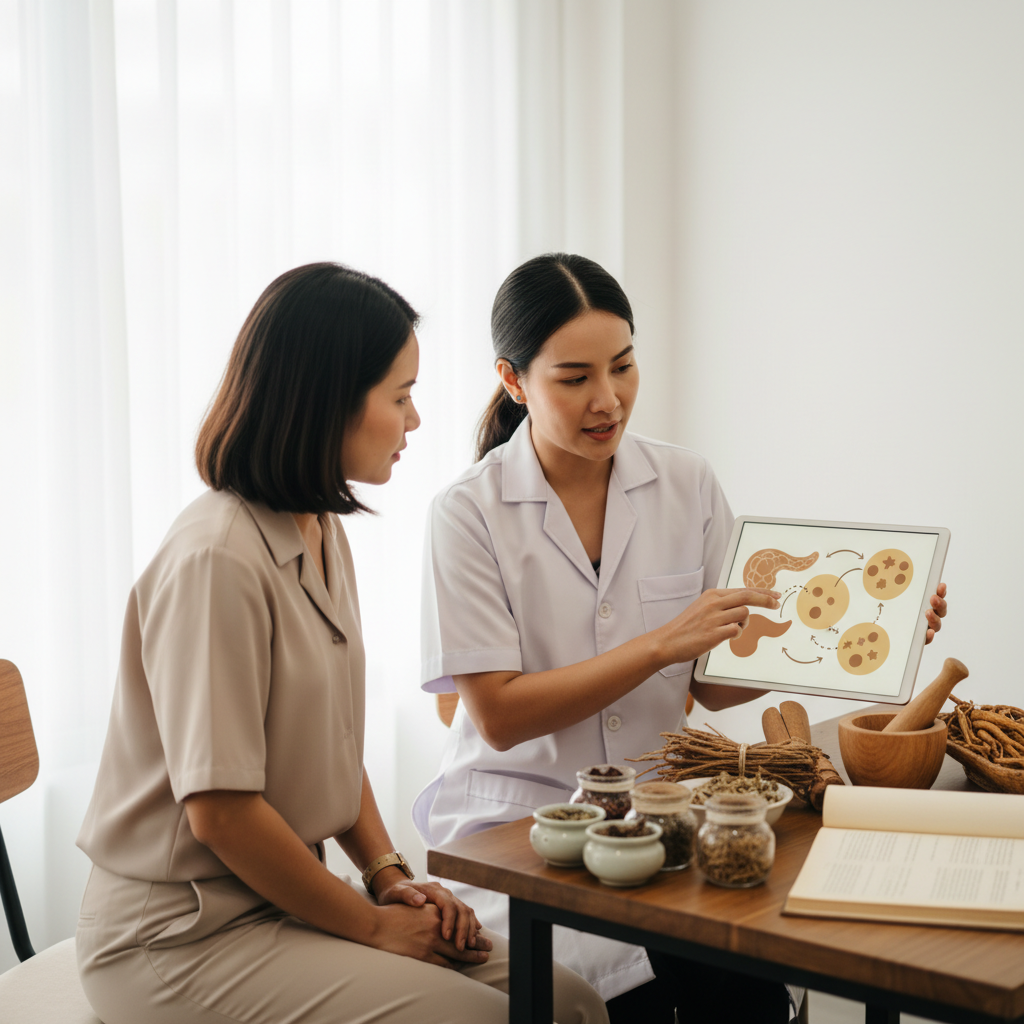
GERD from a Thai Traditional Medicine Perspective: What You Need to Know

At our clinic, we often see GERD. Let's understand this condition and how to care for yourself with Thai Traditional Medicine, including what foods to avoid.
Lately, many patients at my clinic have been coming in with GERD concerns. That burning sensation in the chest, frequent burping, or sour taste can be quite uncomfortable, right? Many come to me asking how to start taking care of themselves or what are the 'GERD no-nos'. Today, I want to invite you to understand this condition from a Thai Traditional Medicine perspective.
At the clinic, we see dozens of people a week struggling with what modern medicine calls GERD. I always remember one patient, a woman who worked in an office. She told me, "Doctor, I feel like there's a golf ball stuck in my throat, and I'm bloated all day long. The acid medicine just doesn't help." In Thai Traditional Medicine, we understand this frustration. We don't see this as just an acid problem. We see it as a sign that the body’s core systems are out of balance, especially our "wind" element, what we call Lom.
You probably know the feeling well. That burning in your chest. The sour taste. The endless bloating or feeling sick after you eat. These aren't separate problems. They are all connected. They are signals that your body's harmony is off.
So, what's causing this? I always tell my patients to think of a little stove inside their belly. This is your digestive fire, or Parinamakki. When this fire is strong, it "cooks" your food perfectly. But if it's weak, the food just sits there, undigested. It starts to ferment and create a lot of gas. This is a key reason why discussions about กรดไหลย้อน ห้ามกิน (foods to avoid for acid reflux) are so important—we want to avoid anything that puts out that fire. This gas, or "wind" as we call it (Lom Kotthasayawaata), builds up and needs to escape. It has nowhere to go but up. That upward pushing wind (Lom Utthangkamawaata) is what brings the sour liquid (Pittung) into your throat. It is what causes the burn, the burping, and that tight, stuck feeling from deeper wind (Lom Kuchisayawaata). Have you ever felt that pressure building after a meal?
You see, it's a chain reaction. Everything is connected. My goal as a Thai medicine doctor isn't just to stop the burn for a day. We want to find the real reason your digestive fire is weak and help you restore that natural balance from the inside out.
Root Causes of GERD: Imbalanced Lifestyle
At the clinic, when a patient comes to me with GERD, we look beyond the heartburn. I always explain that from a Thai Traditional Medicine view, the problem starts with a weak Pattakapit-ta. Think of it as the little furnace in your belly that breaks down food. It's your digestive fire. When this fire is low, food just sits there instead of digesting properly. That’s where the trouble begins.
So what puts out this important fire? I usually find it's a mix of a few things.
Dietary Habits
The first thing I always ask my patients about is what they eat. It's often the biggest piece of the puzzle. I had a patient, a young man who loved ice-cold sodas and ate rich, oily curries at least 3-4 times a week. He was constantly bloated and had that awful burning in his chest. A big part of our plan was just warming up his diet. It made a huge difference.
We see this pattern a lot. Common habits that weaken your digestive fire include:
- Eating too much or at random times. This completely confuses your digestive system.
- Spicy or very sour foods. These can really aggravate things.
- Too much alcohol, tea, coffee, or soda. These drinks can irritate your stomach lining.
Does this sound familiar? When you regularly eat "กรดไหลย้อน ห้ามกิน" foods, that undigested food can sit in your gut and ferment. This creates gas. That gas then pushes everything upward, causing that terrible reflux feeling.
Emotional Stress
Stress is a huge factor. I can't tell you how many patients I've seen whose GERD gets terrible during busy or anxious times at work or home. Our emotions have a powerful effect on what we call Hathai Wata—the "winds" that govern our heart and mind. When you're stressed all the time, this energy gets blocked and starts moving upward instead of downward. You end up with more phlegm in your throat and chest, and a weaker digestive fire. It's a vicious cycle, isn't it?
Daily Posture and Lifestyle
At the clinic, we see people with office syndrome almost every day. It's a familiar story. You sit for eight or nine hours, often hunched over a desk, and that creates stagnation in the body. This lack of movement affects your Wata (wind element), slowing down your intestines and allowing waste to build up. This is incredibly common for people we treat for neck and shoulder pain at Ratinai Thai Traditional Medicine Clinic. Your circulation slows, and energy just doesn't flow right.
Environmental and Age Factors
It's also interesting how your environment and age can affect your digestion. We always consider these factors:
-
Seasonal changes: The rainy season, for example, can make wind-related issues worse, while very cold weather can put a damper on your digestive fire.
-
Age: In Thai medicine, we consider anyone over 32 to be in their "wind-dominant" years. This means your digestive fire naturally starts to decline a bit, making you more likely to have these issues.
-
Time of day: Eating your main meal between 10 AM and 2 PM is ideal, as this is when your body's fire is strongest. Eating a big meal late at night can easily overwhelm a system that's trying to rest.
Understanding how all these pieces fit together is the first real step. From there, we can start to bring your body back into balance and calm the symptoms of GERD.
GERD No-Nos: Foods & Habits to Avoid
At the clinic, we see so many people struggling with that burning feeling of acid reflux. I always tell my patients that managing GERD isn't just about what you eat—it's also about what you don't eat. Certain foods and habits can really stir things up. They make that fire in your chest so much worse. We have to calm the body's "fire," as we say in Thai medicine.
Foods to Limit or Skip
So many common foods can trigger that reflux. In Thailand, we have a simple phrase for this: "กรดไหลย้อน ห้ามกิน". It just means "GERD, don't eat." These are the big culprits I see.
- Spicy Foods: Things like chilies and very strong spices are often too harsh. They can irritate your throat and stomach lining.
- Sour Foods: Be careful with vinegar, citrus fruits like lemons, and very sour soups. They directly add more acid to your system.
- Overly Sweet Foods: All those sugary cakes and candies can cause problems, too. Too much sugar is hard on your digestion.
- Rich, Fatty Foods: Think of deep-fried items, very oily curries, or rich coconut milk. They are heavy and slow down digestion, giving acid more time to creep back up.
Beverages to Steer Clear Of
What you drink can make a huge difference. It really does matter.
- Tea and Coffee: The caffeine in these can relax the little muscle at the top of your stomach. When that muscle gets lazy, acid can splash up. I had a patient, a writer, who drank 5-6 cups of coffee a day to meet deadlines. He told me the burning was constant. We got him down to just one cup in the morning, and within two weeks, he said 80% of his symptoms were gone.
- Sodas and Carbonated Drinks: All those bubbles create gas and pressure in your stomach. That pressure can push acid right where you don't want it.
- Alcohol: This is a big trigger for many people. Alcohol directly irritates the stomach lining and makes everything more sensitive.
Unsuitable Eating Habits
I always remind my patients it's not just what you eat, but how you eat it. Some habits put a huge strain on your digestion.
- Late-night Meals: Eating a big meal and then going to bed is a recipe for reflux. Your body is still trying to digest when it should be resting and repairing.
- Eating Too Fast: When you rush, you swallow a lot of air. This leads to bloating and pressure in your stomach. Just slow down. Chew your food well.
Overeating at any one meal is another major issue we see. It simply overwhelms your stomach. A patient I treated last month worked long hours and would eat one gigantic meal at 9 p.m. He told me, "Doctor, it feels like there's a rock in my chest when I try to sleep." Have you ever felt that way, too? His life changed when he switched to smaller, more frequent meals.
- Overeating: Huge meals just overload the system. It's much easier on your stomach to eat smaller portions more often.
- Lying Down Immediately After Eating: Gravity is your friend when you're upright. So don't lie down right after a meal! Stay sitting or standing for at least 2-3 hours. This helps keep stomach acid down where it belongs. I suggest a gentle walk, not a nap on the couch.
Balancing Your Body with Thai Traditional Medicine
When you come to the Ratinai Clinic, my first goal is to understand you, not just your list of symptoms. I always tell my patients that true wellness starts with balancing our unique elemental makeup, what we call Tat Chao Ruean. Think of it as your body’s personal fingerprint. It’s an ancient concept that helps us create a healing plan just for you. It's all about finding that inner harmony. We work on it together.
Holistic Approaches to Well-being
So many of our modern problems come from stress. At the clinic, we see this every day. Constant worry and anxiety, which Thai medicine calls hathai watta, can really mess with digestion. It causes the "wind" in your body to move the wrong way—upwards. This upward-moving wind, or utthangkamawata, is what leads to that uncomfortable burping, bloating, and even chest pain that mimics heart trouble.
I treated a patient last month, a lawyer working 12-hour days. He told me, “Doctor, it feels like there’s a rock stuck in my chest and I can’t get a full breath.” His reflux was constant. We gave him some gentle herbs, but we also worked on simple mindfulness exercises. Just five minutes of quiet breathing a day. The change was incredible. It really works.
We also look at simple daily habits. Do you sit all day long? Poor posture can literally block the natural flow of wind and waste in your intestines. This creates a traffic jam inside you. Making small adjustments, like standing up to stretch every hour, can make a huge difference. You have to give your body room to breathe.
Dietary and Lifestyle Harmony
Of course, we have to talk about what you eat. Your diet is crucial. I tell my patients to think of their digestion as a small cooking fire, our Parinamakee. If you keep dumping cold drinks, rich meals, and super spicy foods on it, the fire gets weak. It can't "cook" your food properly. This leads to gas and discomfort.
This is why we have a list of foods we call "กรดไหลย้อน ห้ามกิน," which simply means "foods to avoid for acid reflux." Sticking to this helps your system heal. Eating smaller meals more often is also much gentler on your digestive fire than three huge meals. It keeps things steady.
To give your body extra support, we offer treatments that help restore this balance. A warm herbal steaming session, for example, is wonderful for relaxation and helps your body gently detoxify. If all that stress has left your neck and shoulders tight, a traditional Thai massage can release that tension, which in turn helps your digestion relax. Our goal is to empower your body to do what it does best: heal itself. Have you considered how your daily habits might be impacting your digestion?
Herbal Allies for GERD Relief
At the clinic, we see patients with GERD symptoms almost every day. I always tell them that nature provides a powerful pharmacy to help soothe the digestive system. In Thai Traditional Medicine, we have several incredible herbs that can help. These aren't just old wives' tales. Many of them have modern studies proving they work.
-
Turmeric (Khamin Chan): This golden root is a true superstar. Its anti-inflammatory power helps calm down the irritation in your esophagus and stomach. It's magic. A patient I treated, a lawyer working long hours, found that after two weeks of taking turmeric, that constant burning feeling finally started to fade. It also helps heal ulcers and nourishes the stomach lining.
-
Ginger (Khing): Everyone knows ginger, but we often forget how powerful it is for digestion. It's excellent for pushing out that excess gas and stopping that uncomfortable bloated feeling. It’s also my first recommendation for nausea. Just a simple cup of warm ginger tea can bring such quick relief.
-
Noni (Yor): This one might be new to you. In our tradition, we use Noni to manage what we call "upward-moving wind." Think of it as that feeling of gas or acid trying to rise up your throat. Noni gently encourages everything to flow downwards, the way it’s supposed to.
I often find that for some people, a single herb isn't quite enough to tackle stubborn symptoms. That’s when we look at our classic, more complex herbal preparations.
-
Cinnamon Formulas (Yatart Obcheuy): You know that feeling of pressure and fullness right after a meal? These formulas are designed for exactly that. They often blend several herbs to help relieve bloating and expel trapped wind. They can even help with headaches caused by digestive upset.
-
Aromatic Herbal Medicines (Yathom): We use these traditional powders when the nervous system is also involved. They’re wonderful for calming dizziness and nausea. They help clear out different forms of "wind" (lom) imbalance in the body, which can be the root cause of discomfort for many. For some, a tiny dose brings near-instant relief.
These herbs can be incredibly supportive tools, especially when you are figuring out your list of "กรดไหลย้อน ห้ามกิน" foods to avoid. But please, remember that your body is unique. What works for one person may not be the right path for you. I always recommend you consult a qualified practitioner first. We can look at your individual constitution and find a plan that fits you perfectly. After all, isn't it time to listen to what your body truly needs?
When Should You Consult a Thai Traditional Medicine Doctor?
At the clinic, patients often ask me, "When is the right time to see a Thai medicine doctor for my GERD?" My advice is always the same. If you've been trying to wrestle with your symptoms through diet and lifestyle changes, but they just keep winning, it’s a sign to get help. We want to put you back in control.
You’ve probably looked up "กรดไหลย้อน ห้ามกิน" and cut out all the usual foods. Maybe you're sleeping on a mountain of pillows to keep your head up. But the fire in your chest roars back. That sour taste haunts your mornings. This is exactly when a personalized approach makes a world of difference. Here, we don’t just put a bandage on the symptoms. We look for the root cause based on your body's unique elemental makeup.
Personalized Assessment and Treatment
I remember a young woman who walked into my office last month. She had been battling reflux for months and was at her wit's end. She told me, "Doctor, I've cut out so many foods, I feel like I'm running out of things to eat." After we sat and talked, we discovered that her symptoms were tightly wound up with stress and an imbalance in her body's elements. This is very common. From there, we were able to build a tailored treatment plan, which might include things like:
- Herbal remedies: Not just any herbs, but specific formulas meant to strengthen your digestive "fire" and calm the excess "wind" in your system.
- Acupressure or therapeutic massage: To get your body's energy flowing smoothly again and release deep tension in the stomach and chest.
- Dietary guidance: We go beyond just a list of foods to avoid. We focus on which foods will truly nourish and balance your specific body type.
I always tell my patients that these treatments are not separate islands; they are a team that works together. For that young woman, we used a specific herbal blend to cool the heat in her stomach. We paired that with weekly acupressure to release the stress she was holding in her shoulders and abdomen. It wasn't about a single magic pill. It was about re-tuning her entire system.
Embracing a Holistic Path to Wellness
If you're tired of temporary fixes and are truly ready for an approach that restores balance and prevents the problem from coming back, Thai traditional medicine is an incredible choice. We aim for results that last. Our goal isn't just to stop the burning. It’s to help your body remember how to heal itself in the long run. My patients often find they don't just lose the reflux symptoms; they feel more energetic and balanced in every part of their lives. Have you considered what it would feel like to look beyond temporary relief? If you are ready for a deeper path to your own well-being, we are here to guide you. Just contact us at @ratinai.clinic.
Frequently Asked Questions
Can GERD be completely cured?
Yes, with consistent lifestyle adjustments and TTM guidance, it's possible to achieve lasting relief.
Do I need to take herbal medicine forever?
The doctor may adjust or stop medication as symptoms improve, focusing primarily on lifestyle changes.
How should pregnant women manage GERD?
Focus on diet and lifestyle modifications. Consult a TTM doctor for safe herbal recommendations during pregnancy.
Can Thai massage help with GERD?
Certain types of massage by a skilled practitioner might help reduce tension and rebalance bodily winds.
Conclusion
GERD doesn't have to be an overwhelming concern if we understand its nature and care for ourselves properly. I want to emphasize once more the 'GERD no-nos' when it comes to food, along with lifestyle adjustments and appropriate herbal remedies, can help you regain a good quality of life. If you're unsure, feel free to consult พท.ว. ณรงค์พล คงเจริญ at @ratinai.clinic. We're here to help you get back to feeling your best.
Ready to take care of yourself?
Consult a licensed Thai traditional medicine practitioner at Ratinai Clinic, Pathum Thani.