High Cholesterol: What to Eat and What to Avoid for a Healthy Lifestyle

High cholesterol is a silent killer leading to various diseases. Diet is key to managing this issue. Learn what foods to avoid and what to eat to sustainably lower cholesterol and bad fats.
High cholesterol is a silent health concern that many people monitor, as it is the starting point for several dangerous chronic diseases. This article will guide you on the importance of diet in lowering cholesterol and what foods are best for your health.
What is High Cholesterol and How Dangerous Is It?
High cholesterol is a condition characterized by an excess of fatty substances, known as lipids, in your blood. While some cholesterol is essential for building healthy cells, high levels can lead to severe health problems. This is largely determined by the balance of different types of lipids.
Understanding Blood Lipids
Your blood contains several types of lipids, primarily:
-
LDL (Low-Density Lipoprotein) Cholesterol: Often referred to as "bad cholesterol," high levels of LDL contribute to the buildup of fatty deposits in your arteries, a condition called atherosclerosis. This narrowing of arteries can restrict blood flow.
-
HDL (High-Density Lipoprotein) Cholesterol: Known as "good cholesterol," HDL helps remove excess cholesterol from your arteries and transport it back to the liver for removal from the body. Higher HDL levels are generally desirable.
-
Triglycerides: These are another type of fat in your blood. High triglyceride levels, especially when combined with high LDL or low HDL cholesterol, can increase your risk of heart disease.
Normal Cholesterol Ranges
While exact "ค่าปกติ" (normal ranges) can vary slightly based on individual health factors, general guidelines suggest:
-
Total Cholesterol: Less than 200 mg/dL
-
LDL Cholesterol: Less than 100 mg/dL (lower is better, especially for those at risk)
-
HDL Cholesterol: 60 mg/dL or higher (higher is better)
-
Triglycerides: Less than 150 mg/dL
The Dangers of High Cholesterol
Over time, elevated cholesterol, particularly high LDL ("ลด ไขมัน เลว"), can have serious long-term impacts on your health:
-
Cardiovascular Diseases: The primary concern is an increased risk of heart attack and stroke. The fatty plaques formed by high LDL can rupture, leading to blood clots that block arteries supplying the heart or brain.
-
Peripheral Artery Disease: This affects blood vessels outside of the heart and brain, commonly causing pain in the legs during walking.
-
Kidney Disease: High cholesterol can also damage the blood vessels in the kidneys, potentially leading to kidney dysfunction or failure.
Foods to Avoid for Lowering High Cholesterol
Reducing "ไขมัน เลว" (bad fats) and total cholesterol is crucial for cardiovascular health. While some dietary cholesterol is not universally harmful, certain foods can significantly hinder efforts to "ลด คอเลสเตอรอล" (lower cholesterol).
Trans and Saturated Fats
These are perhaps the most critical to limit when looking to "ลด ldl cholesterol" successfully. Trans fats, often found in fried foods, many baked goods like pastries and cookies, and some processed snacks, are known to raise LDL cholesterol levels and lower beneficial HDL cholesterol. Saturated fats, common in fatty cuts of meat, processed meats, full-fat dairy products, and certain tropical oils, also contribute to elevated LDL.
Cholesterol-Rich Foods (in moderation)
While the impact of dietary cholesterol on blood cholesterol can vary among individuals, those with high cholesterol are often advised to moderate their intake of foods particularly high in it. This includes organ meats (like liver), and for some, egg yolks might need to be considered within broader dietary guidelines, though many can incorporate eggs in moderation.
High-Sugar Drinks and Processed Foods
Sugary beverages, candies, and many processed foods containing added sugars can indirectly impact cholesterol levels. Excessive sugar intake can lead to increased triglyceride levels and contribute to inflammation, which can collectively make it more challenging to maintain healthy cholesterol profiles. Choosing whole fruits over processed fruit products and opting for water or unsweetened drinks supports overall metabolic health and helps in the journey to "ลด คอเลสเตอรอล."
Effective Dietary Tips to Lower Cholesterol
Managing cholesterol levels, particularly "ลด ldl cholesterol" (reducing bad cholesterol), can be significantly influenced by your dietary choices. Shifting towards a heart-healthy eating pattern is a crucial step.
Embrace a Plant-Rich Diet
Prioritize foods such as:
-
Fruits and Vegetables: Rich in fiber and antioxidants, they play a vital role in natural cholesterol reduction. Aim for a wide variety of colors daily.
-
Whole Grains: Oats, barley, brown rice, and whole wheat products contain soluble fiber, which helps reduce the absorption of cholesterol in your digestive tract.
-
Plant-Based Proteins: Include legumes (beans, lentils), nuts, and seeds in your meals. They are excellent sources of protein and fiber, and often contain healthy fats.
Choose Healthy Fats Wisely
Not all fats are created equal. Focus on incorporating beneficial fats into your diet:
-
Monounsaturated and Polyunsaturated Fats: Found in olive oil, avocados, and various nuts. These fats can help "ลด ไขมัน เลว" (reduce bad fats) while maintaining good cholesterol levels.
-
Omega-3 Fatty Acids: Deep-sea fish like salmon, mackerel, and sardines are rich in omega-3s, known for their cardiovascular benefits, including helping to manage cholesterol.
Mindful Cooking Methods
The way you prepare your food also matters. Opt for cooking methods that preserve nutrients and avoid adding unhealthy fats:
-
Steaming, Boiling, Baking, and Grilling: These methods require minimal added oils and help retain the natural flavors of your ingredients.
-
Avoid Frying: Frying, especially in unhealthy oils, can significantly increase the fat and calorie content of your meals, counteracting efforts to "ลด คอเลสเตอรอล" (lower cholesterol).
Sample Meals for Cholesterol Management
Here are some meal ideas focusing on ingredients that help reduce bad fats:
-
Breakfast: Oatmeal topped with berries and a sprinkle of chia seeds.
-
Lunch: A large salad with mixed greens, chickpeas, avocado slices, and a light olive oil dressing, or a lentil soup.
-
Dinner: Baked salmon with steamed broccoli and brown rice, or a vegetable stir-fry (using minimal healthy oil) with tofu.
Traditional Thai Medicine and Herbal Remedies for Cholesterol Management
Traditional Thai Medicine (TTM) offers a holistic perspective on health, including the management of cholesterol. It emphasizes balancing the body's elemental systems and addressing the root causes of imbalances. While TTM does not directly use terms like "cholesterol," its principles and remedies aim to improve overall circulatory health and metabolic function, which can indirectly support healthy lipid levels.
Herbal Allies for Cardiovascular Well-being
Several herbs traditionally used in Thailand are recognized for their potential benefits in promoting cardiovascular health. These may include:
-
Garlic: Known for its properties that can support circulation.
-
Turmeric: Often used for its anti-inflammatory properties, benefiting overall bodily functions.
-
Emblic Myrobalan (Makhampom): A fruit rich in antioxidants and traditionally used to nourish the body.
These herbs are typically used as part of a broader health regimen rather than as standalone treatments for specific conditions.
Personalized TTM Approach at Ratinai Thai Traditional Medicine Clinic
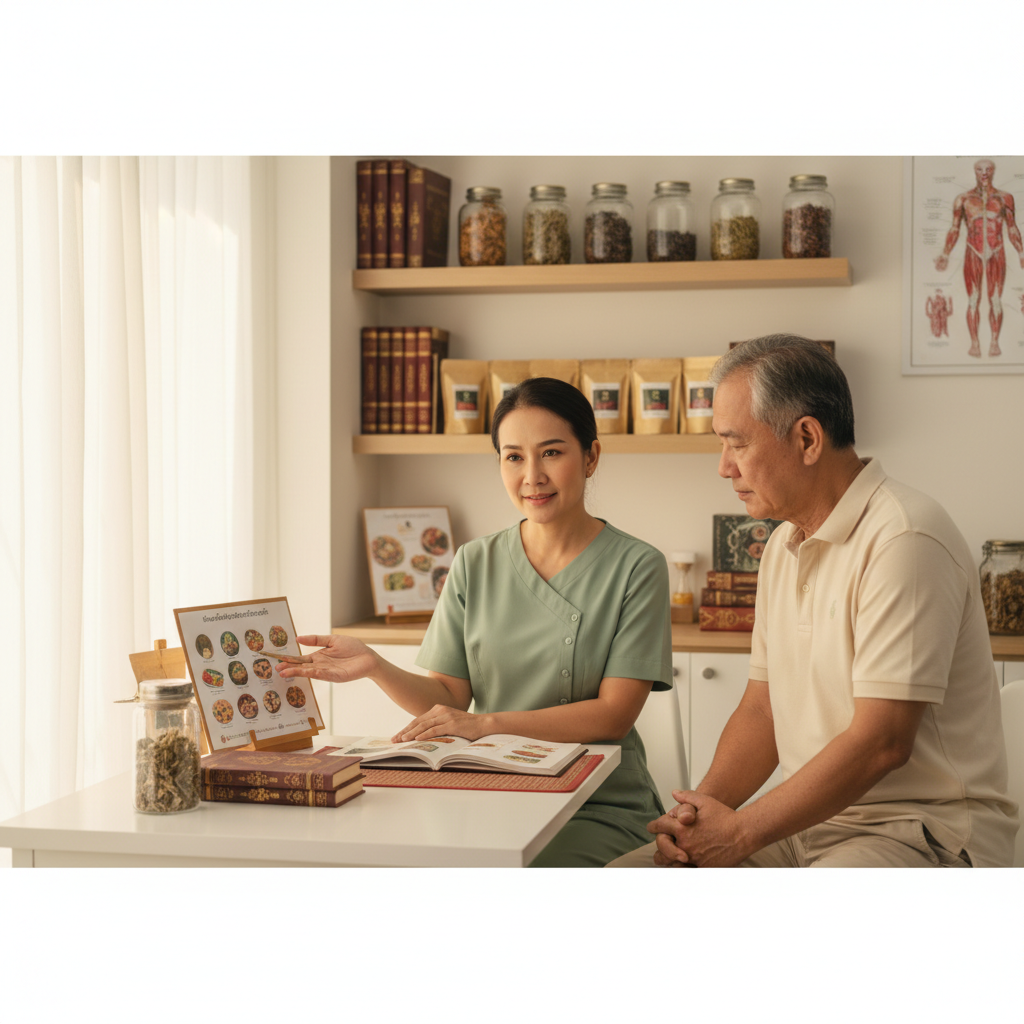
For those interested in exploring TTM for health management, consulting with a qualified practitioner is essential. At Ratinai Thai Traditional Medicine Clinic, พท.ว. ณรงค์พล คงเจริญ offers personalized care. Through a detailed consultation, he assesses individual body constitutions and health concerns to recommend appropriate herbal formulations and lifestyle adjustments.
The clinic provides personalized herbal medicine, where remedies are compounded to suit your unique needs. This approach focuses on balancing the body’s elements and supporting its natural healing processes, which can contribute to overall well-being and might include benefits related to maintaining healthy fat metabolism. Each personalized herbal medicine course begins with a 20-30 minute consultation, with medication fees determined by the prescription. To explore how TTM can support your health goals, contact Ratinai Thai Traditional Medicine Clinic via LINE at @ratinai.clinic.
Lifestyle Changes to Lower Bad Cholesterol and Promote Health
While diet plays a crucial role, a holistic approach to lifestyle is essential for successfully lowering "bad" cholesterol and promoting overall well-being. Incorporating these habits can significantly support your cardiovascular health:
-
Regular Physical Activity: Engaging in consistent exercise helps elevate HDL (good) cholesterol and can contribute to lowering LDL (bad) cholesterol, keeping levels within the "normal range". Aim for at least 150 minutes of moderate-intensity aerobic activity or 75 minutes of vigorous-intensity activity per week. This could include brisk walking, cycling, swimming, or even traditional Thai massage for general well-being and improved circulation, available at Ratinai Thai Traditional Medicine Clinic as part of their Thai Massage for Health program.
-
Stress Management and Adequate Rest: Chronic stress can negatively impact cholesterol levels. Practices like meditation, yoga, or spending time in nature can help. Prioritize 7-9 hours of quality sleep each night. Herbal steam therapy, another service at Ratinai Thai Traditional Medicine Clinic, can also help in deep relaxation and detoxification, contributing to stress reduction. Learn more about Herbal Steam.
-
Quit Smoking and Limit Alcohol: Smoking directly damages blood vessels and can lower HDL cholesterol, while excessive alcohol consumption can increase triglyceride levels, a type of fat in the blood often associated with high cholesterol. Quitting smoking and moderating alcohol intake are critical steps.
-
Regular Health Check-ups: Consistent monitoring of your cholesterol levels and overall health status is vital. This allows healthcare professionals to track your progress, identify any potential issues, and adjust your care plan as needed. Traditional Thai medicine practitioners, such as พท.ว. ณรงค์พล คงเจริญ at Ratinai Thai Traditional Medicine Clinic, can offer personalized herbal medicine consultations to support your body's balance and manage chronic conditions alongside modern medicine. Find out more about Personalized Herbal Medicine.
Frequently Asked Questions
Should I avoid all types of meat if I have high cholesterol?
Not necessarily all types, but focus on lean meats and reduce portion sizes.
Can herbal medicine really help to 'lower cholesterol'?
Many herbs have properties that can help reduce cholesterol. Consult a Traditional Thai Medicine doctor first.
If I exercise, do I still need to control my 'diet'?
Exercise helps significantly, but diet control remains crucial for managing blood cholesterol.
Conclusion
Lowering cholesterol and keeping it within the normal range is vital for preventing chronic diseases. Adjusting eating habits, using appropriate herbal remedies, and holistic health care will help you lead a long and disease-free life.
Ready to take care of yourself?
Consult a licensed Thai traditional medicine practitioner at Ratinai Clinic, Pathum Thani.