
What Causes Psoriasis? Unraveling the Triggers and Contributing Factors
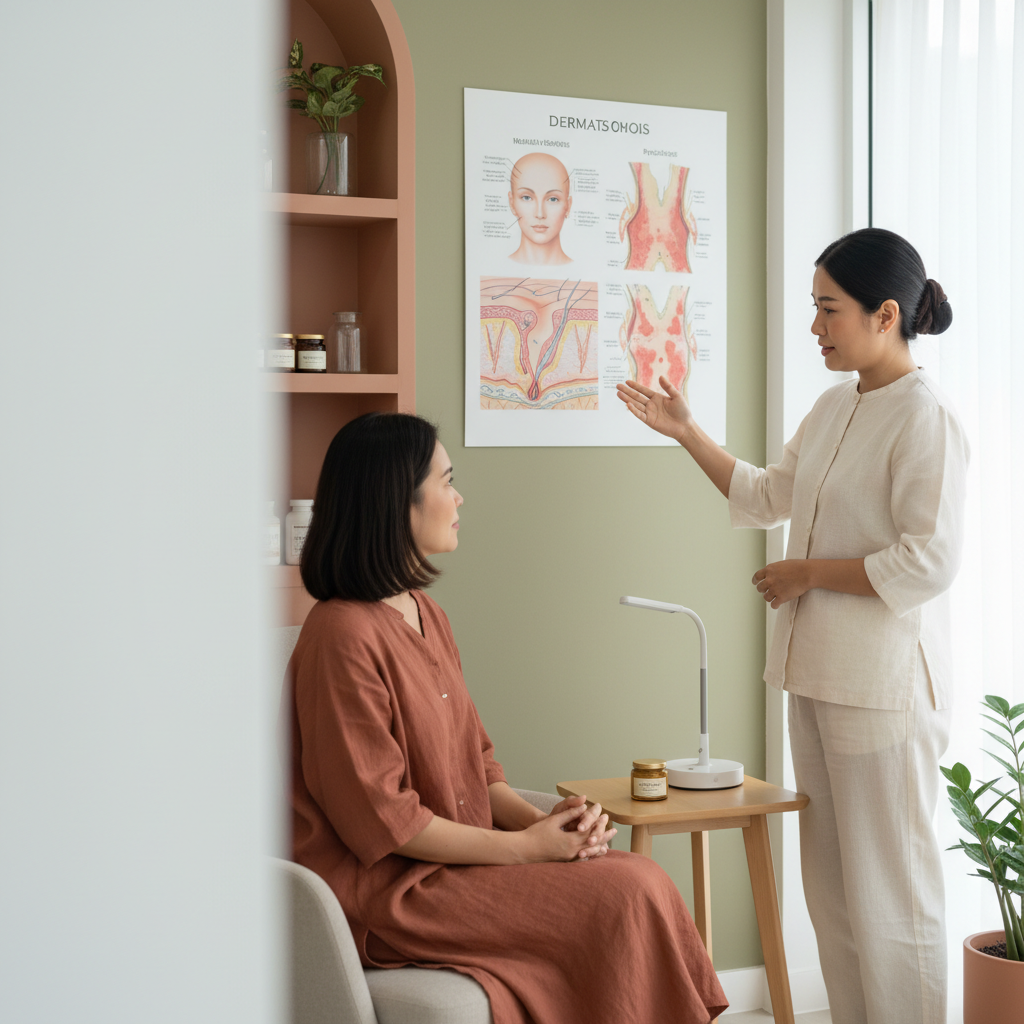
Psoriasis is a chronic skin condition affecting many people's quality of life. Understand its causes and triggers for appropriate care.
Psoriasis is a chronic inflammatory skin condition resulting from an immune system dysfunction, causing skin cells to multiply faster than normal. This leads to red, thick patches covered with silvery scales. Many wonder: what causes psoriasis? This article will delve into the causes and contributing factors of psoriasis, helping you understand your body and manage the condition effectively and appropriately.
Understanding Psoriasis: What is it?
Psoriasis is a chronic skin condition characterized by the rapid accumulation of skin cells. Normally, skin cells mature and shed over several weeks, but with psoriasis, this process is dramatically accelerated, leading to a build-up of cells on the skin's surface within just a few days. This rapid turnover is what leads to the most common characteristic of psoriasis: well-defined, red, thick patches of skin often covered with silvery scales. These patches can appear anywhere on the body, though they frequently affect the elbows, knees, scalp, and lower back.
It's important to understand that psoriasis, or "สะเก็ดเงิน" as it's known in Thai traditional medicine, is not contagious. It cannot be spread from person to person through touch or any other form of physical contact. While its exact cause remains complex and multi-factorial, contributing elements often include genetic predisposition and immune system dysfunction. The visible "อาการ" (symptoms) on the skin are a result of this internal dysregulation rather than an external infection.
Primary Causes of Psoriasis in Modern Medicine
Psoriasis is a chronic autoimmune condition where the body's immune system mistakenly attacks healthy skin cells, leading to their rapid overproduction. While the exact trigger for this immune response remains unclear, modern medicine identifies several primary contributing factors.
Dysfunctional Immune System
At its core, psoriasis is understood as an immune-mediated disease. Normally, T-cells, a type of white blood cell, protect the body from foreign invaders. In psoriasis, these T-cells become overactive and initiate an inflammatory response, signaling skin cells to grow at an accelerated rate—often in days rather than weeks. This leads to the characteristic thick, scaly patches seen on the skin. This chronic inflammation also affects other body systems and can lead to co-morbidities.
Genetic Predisposition
Genetics play a significant role in psoriasis development. Individuals with a family history of the condition are at a higher risk of developing it themselves, suggesting a genetic susceptibility. While specific genes are being identified, it's believed that a combination of multiple genes, rather than a single one, contributes to this predisposition. However, not everyone with the genetic markers will develop psoriasis, indicating that other factors are also at play.
Environmental Triggers
Even with a genetic predisposition, environmental factors often act as triggers for the onset or flare-up of psoriasis symptoms. These can include:
-
Infections: Strep throat or other infections can sometimes initiate psoriasis, especially guttate psoriasis.
-
Skin injury: Trauma to the skin, such as cuts, scrapes, or severe sunburns, can lead to psoriatic lesions in that area (known as the Koebner phenomenon).
-
Stress: High levels of psychological stress are a known trigger or worsening factor for many individuals with psoriasis.
-
Certain medications: Some drugs, like lithium, beta-blockers, and antimalarials, have been linked to triggering or exacerbating psoriasis.
-
Alcohol and smoking: Heavy alcohol consumption and smoking can worsen symptoms and interfere with treatment effectiveness.
Factors That Can Trigger Psoriasis Flare-ups
Psoriasis, or "สะเก็ดเงิน", is a chronic skin condition characterized by periods of remission and flare-ups. Understanding common triggers can help individuals manage their symptoms more effectively.
Common Triggers for Psoriasis Flare-ups
-
Stress: High stress levels can significantly impact the immune system, potentially leading to or worsening psoriasis symptoms. Managing stress through relaxation techniques or mindfulness can be beneficial.
-
Infections: Certain infections, particularly streptococcal infections (like strep throat), are well-known triggers for guttate psoriasis, a type that often appears after such an illness.
-
Skin Injury (Koebner Phenomenon): Psoriasis can appear on areas of the skin that have been injured or traumatized. This "Koebner phenomenon" can manifest after cuts, scrapes, burns, or even severe sunburns.
-
Medications and Alcohol: Some medications, such as certain beta-blockers, lithium, and antimalarial drugs, can trigger or exacerbate psoriasis. Additionally, heavy alcohol consumption is often associated with more severe and difficult-to-treat psoriasis.
-
Weather Conditions: Dry and cold weather conditions often worsen psoriasis symptoms. Low humidity can dry out the skin, making plaques more irritated and prone to cracking. Conversely, sunlight exposure can sometimes improve symptoms, though sunburns should be avoided.
Thai Traditional Medicine's Perspective on Psoriasis
From a Thai Traditional Medicine (TTM) viewpoint, psoriasis (referred to as kuttha rok or *roen) is often understood as a complex condition stemming from imbalances within the body's elemental system. TTM deeply emphasizes the concept of fundamental elements: earth (prathawi), water (apo), wind (wayo), and fire (tejo). An imbalance, particularly involving the "Pitta" (fire) and "Vata" (wind) elements, is believed to play a significant role in the manifestation of psoriasis.
Elemental Imbalances and Toxin Accumulation
TTM identifies several contributing factors to the development of skin conditions like psoriasis:
-
Pitta Imbalance: An excess of the fire element can lead to inflammation, redness, and a burning sensation often experienced by individuals with psoriasis. This can manifest as abnormal skin changes, often described as inflamed skin with itching and thick scaling.
-
Vata Imbalance: The wind element is associated with movement and dryness. When disrupted, it can contribute to dry, scaly skin, intense itching, and the formation of plaques. This imbalance can also influence blood circulation, leading to further complications.
-
Accumulation of Toxins (Kimichat and Blood Toxicity): TTM views "Kimichat" (internal parasites or pathogens) and general blood toxicity as crucial factors. It's believed that when the blood becomes impure or toxic, often accelerated by an aggravated wind element, it stimulates the fire element, leading to chronic skin eruptions. This toxic buildup can impede the body's natural healing processes and exacerbate symptoms.
These internal imbalances can manifest as various types of kuttha rok or roen, each with distinct characteristics in TTM, and require a holistic approach to restore harmony to the body's elemental system and address underlying toxicity. This often involves personalizing herbal medicine to correct elemental imbalances, such as the individualized herbal medicine service offered at Ratinai Thai Traditional Medicine Clinic. You can learn more about this approach by visiting the clinic's herbal medicine page.
Diverse Manifestations of Psoriasis Symptoms
Psoriasis, or "สะเก็ดเงิน" in Thai, presents a wide array of symptoms that can vary significantly from person to person. While commonly recognized by red, scaly patches, its appearance and impact on individuals can be quite diverse.
Common Locations and Types of Psoriasis
The rash typically favors certain areas of the body. You might frequently observe these characteristic lesions on the scalp, elbows, and knees. However, psoriasis can affect any part of the skin, including the face, palms, soles, and even the nails.
Two common types of psoriasis to be aware of include:
-
Plaque Psoriasis (Psoriasis Vulgaris): This is the most prevalent form, characterized by raised, red patches covered with silvery-white scales. These plaques can be itchy and sometimes painful, often appearing on the elbows, knees, lower back, and scalp.
-
Pustular Psoriasis: This less common but more severe form presents with distinct, pus-filled bumps surrounded by red skin. These pustules can appear localized or widespread across the body, often accompanied by fever, chills, and fatigue.
Beyond Skin Deep: Other Symptoms
Beyond the visible skin lesions, individuals with psoriasis often experience intense itching and burning sensations in affected areas. The psychological impact of living with a visible skin condition can also be significant.
Psoriasis can also extend beyond the skin, affecting other areas of the body:
-
Nail Psoriasis: Nails may become discolored, pitted, thickened, or even separate from the nail bed, resembling a fungal infection.
-
Psoriatic Arthritis: In some cases, psoriasis can lead to psoriatic arthritis, a type of inflammatory arthritis that causes pain, stiffness, and swelling in and around the joints.
It's important to remember that the manifestation of psoriasis symptoms is highly individual. What one person experiences may be vastly different from another, underscoring the need for personalized care and management.
Holistic Approaches to Psoriasis Care with Thai Traditional Medicine
Thai Traditional Medicine (TTM) offers a holistic perspective on managing psoriasis, emphasizing the balance of bodily elements and addressing underlying imbalances rather than just symptoms. This approach often involves personalized treatment plans.
Personalized Herbal Medicine
A core tenet of TTM is the use of Herbal Medicine tailored to an individual's constitution and the specific manifestation of psoriasis. P.T.W. Narongpol Kongcharoen, a Thai Traditional Medicine practitioner, may prescribe internal herbal remedies designed to detoxify the body, balance the elements (ธาตุเจ้าเรือน), and strengthen the body's natural healing capabilities. These formulations aim to reduce inflammation, improve circulation, and support healthy skin regeneration from within.
Topical Herbal Applications
For external relief, TTM utilizes various topical herbal applications. These may include pastes, compresses, or oils made from specific herbs known for their anti-inflammatory, antiseptic, and skin-soothing properties. Such applications can help to:
-
Reduce scaling and flaking
-
Alleviate itching and discomfort
-
Calm inflamed skin
Traditional Therapies for Detoxification and Rejuvenation
Traditional Thai therapies also play a supportive role in psoriasis care:
-
Herbal Steam Therapy: Herbal Steam involves sitting in a steam tent infused with therapeutic herbs. This helps to open pores, promote detoxification through sweating, improve skin circulation, and provide deep relaxation, which can be beneficial for stress-related flare-ups.
-
Thai Massage: Thai Massage (specifically the Royal Thai Massage style) helps balance the body's energy lines (Sen Prathan Sib), reduce stress, and improve overall well-being. While not directly applied to severe lesions, it can support systemic health.
Dietary and Lifestyle Adjustments
TTM places significant emphasis on diet and lifestyle. Practitioners often recommend avoiding certain foods that may exacerbate inflammation, such as intensely flavored dishes, fermented foods, and certain meats, particularly those considered "heating" in TTM. Conversely, a diet rich in fresh, wholesome foods, especially those that cool the body and cleanse the blood, is encouraged. Stress management techniques and adequate rest are also vital to support long-term skin health and overall balance.
Frequently Asked Questions
Can psoriasis be completely cured?
Currently, there is no definitive cure for psoriasis, but symptoms can be managed and severity reduced with appropriate and consistent care.
Is psoriasis hereditary?
Psoriasis has a genetic predisposition, but not everyone with a family history will develop the condition.
What foods should be avoided if you have psoriasis?
Some individuals find that certain foods (e.g., highly sugary, high-fat foods, or alcohol) can trigger flare-ups. It is recommended to observe and avoid personal triggers.
Conclusion
Understanding what causes psoriasis, its symptoms, and triggers empowers individuals to manage the condition more effectively. Thai Traditional Medicine offers a holistic approach to rebalance the body and alleviate psoriasis symptoms.
Ready to take care of yourself?
Consult a licensed Thai traditional medicine practitioner at Ratinai Clinic, Pathum Thani.